Newfoundland and Labrador Hydrogen Innovation Partnership formed


For Immediate Release
July 16 , 2025

econext has announced the formation of the Newfoundland and Labrador Hydrogen Innovation Partnership – HyIP.

The collaboration – featuring econext, College of the North Atlantic, Memorial University, Fisheries and Marine Institute, Miawpukek First Nation, and Qalipu First Nation – centralizes efforts to help econext advance strategic clean energy research and investment attraction for the province.

“We believe that Canada is primed to be a global leader in hydrogen production, and Newfoundland and Labrador is going to be central to transatlantic hydrogen trade with Europe,” said Kieran Hanley, econext’s CEO. “The purpose of our collaboration is to highlight the advantages that our province has in this regard, and to attract interest and investment to support targeted international research, development, and innovation.”

Hanley notes that HyIP is a unique collaboration between research institutions, industry, and Indigenous groups. Given the export-focused nature of the emerging industry, he says that a focus on innovation will help maximize local benefits.

“Central to our partnership is a commitment to do what we can together to ensure communities within our province contribute to – and benefit from – clean energy developments in our province,” he said.

The collaborators have launched a website (https://hy-ip.ca/) that describes the growing clean energy industry in Canada’s most eastern province and outlines its relevant R&D capabilities and assets.

HyIP will be hosting a hydrogen research and innovation conference on October 10, 2025 in St. John’s, NL directly following the econext annual conference on October 9.

“Our event will focus on the use of hydrogen and other clean fuels for the decarbonization of the marine transportation sector,” said Hanley, noting the importance of the sector in supporting the province’s oceans-based industries and transatlantic trade.

More information on the conference will be available soon on the HyIP website.

Media Contact:

Kieran Hanley

kieran@econext.ca

About econext

econext is a not-for-profit association with a mission to accelerate clean growth in Newfoundland and Labrador by: (1) stimulating research, development, and innovation; (2) preparing its workforce for a greening economy; and (3) acting as a catalyst for climate change action within its industries, businesses, and communities.

econext has been working for over 30 years on behalf of its members across many sectors to support environmentally sustainable economic development. More information can be found at https://econext.ca.

JOB OPPORTUNITY: Home Energy Navigator

Does sustainable living and energy efficiency pique your interest? Would you be willing to help people make informed decisions to improve their homes, save money on their utility bills and reduce environmental impact? In 2025, econext partnered with the City of St. John’s to launch an exciting new residential energy efficiency advisory program, supporting homeowners navigate energy efficient projects for their homes, and the Home Energy Navigator will play a crucial role in this mission.

Location: St. John’s, Newfoundland and Labrador

Type: part-time, 2-year contract starting August 2025 [possibility of increased hours & contract extension based on Shift program needs]

Part-time: 20-25 hrs/week, hybrid // $25/hr

Availability: combination of daytime, evenings & Saturdays – hours may vary

Start Date: August 4, 2025

Why Join econext?

  • Be part of a forward-thinking organization committed to driving positive change in residential energy use.
  • Work in a dynamic and collaborative environment where your input matters.
  • 4% vacation pay.
  • Competitive benefits.
  • Hybrid work environment – work from a brand new modern co-working space in Downtown St. John’s.

What You Will Be Doing

The Home Energy Navigator will have the following responsibilities:

– Providing customer service by managing phone calls, responding to emails, handling inquiries and generally supporting homeowners through an energy efficiency renovation process.

– Reporting to the Manager of Home Energy Navigators — discuss and refine the homeowner contact process to continuously find the best approach to each case.

– Be able to work as a team in achieving specified program outcomes – ensure homeowners are moving along a designated workflow.

Background

econext is a not-for-profit association with a mission to accelerate clean growth in Newfoundland and Labrador by: (1) stimulating research, development, and innovation; (2) preparing its workforce for a greening economy; and (3) acting as a catalyst for climate change action within its industries, businesses, and communities. econext has been working for over 30 years on behalf of its members across many sectors to support environmentally sustainable economic development.

In 2025, econext partnered with the City of St. John’s to establish a residential energy efficiency advisory/resource program with the following objectives:

  • Support homeowners in navigating the complexities of undertaking energy efficiency projects for their homes, including:
  • Supporting homeowners in obtaining a home energy audit by an NRCan registered service organization.
  • Supporting homeowners in identifying and understanding potential upgrades to address the energy efficiency items identified within the energy audit.
  • Supporting homeowners in identifying financial options for implementing home upgrades (i.e., grant funding, loans and other financing mechanisms, independent financial advisor, etc.)
  • Staying in contact with homeowners throughout the renovations/project implementation and ensuring a post-project home energy audit is provided.
  • Support capacity development in the construction sector around net zero construction details and energy efficiency retrofits.

Key Responsibilities

  • Supporting homeowners to engage with an Energy Auditor who will provide personalized recommendations for energy-saving upgrades, such as insulation, appliances, and renewable energy solutions.
  • Educate homeowners on available grants, incentives, and financing options for energy-efficient projects.
  • Serve as a liaison between homeowners and project partners, helping to ensure a smooth project execution.
  • Track and report homeowners’ movement through program and project outcomes to the Manager of Home Energy Navigators for continuous program improvement.

Qualifications

  • Be able to lead through a lens of empathy, kindness and compassion to guide homeowners through their understanding of the project and assist them with their concerns and needs.
  • Demonstrated excellent customer service skills including patience, active listening and a genuine desire to help others achieve their goals;
  • You excel at developing strong and trusting interpersonal skills.
  • An interest in environmental sustainability and energy-efficient technologies is an asset.
  • Strong organizational skills to collect data from each homeowner and create & maintain documentation of your work processes – with a goal of streamlining the workflow as much as possible.
  • Maintain a positive attitude and adaptability amidst an ever-changing environment.
  • Excellent communication and interpersonal skills to engage with diverse clients.
  • Experience in home energy efficiency, construction, or relevant fields is a plus but not required, training will be provided.

econext is an equal opportunity employer. We are committed to a work environment that supports, inspires, and respects all individuals, and in which personnel processes are merit-based and applied without discrimination on the basis of race, color, religion, sex, age, gender identity, marital status, disability, national or ethnic origin, military service status, citizenship, or other protected characteristics.

Contact

To apply or to contact for questions, please email Katie Fraser, Manager of Home Energy Navigators, at katie@econext.ca, with the subject line “Application – Home Energy Navigator.”

For more information about econext, visit https://econext.ca/.

Climate Adaption and Resilience Training (CART)

Have you heard of CART? The Climate Adaptation & Resilience Training (CART) Program is an introductory 12-week part-time training program coordinated by CLIMAtlantic. This program is for people new to climate change adaptation who work with municipalities or Indigenous communities in Atlantic Canada. CART helps learners understand and build skills across a range of topics:

  • Manage adaptation processes and projects
  • Understand and use climate information
  • Assess risk and vulnerability
  • Engage, facilitate, and collaborate across sectors
  • Centre equity and Indigenous leadership
  • Navigate different governance levels
  • Enhance community resiliency

Are you or someone you know interested? Build your confidence and sense of belonging as you network and create community with other participants and experts across the Atlantic region. You will increase your understanding of climate adaptation from different perspectives, access a helpful collection of adaptation resources, gain practical experience, and learn to think more holistically while taking part in a supportive space to share and experiment.

Applications are now open for English and French Fall 2026 cohorts.

Application deadline is June 30, 2026. Limited spaces available. Due to interest in the program, priority may be given to municipal and Indigenous Community staff and those currently working with them.

Click Here to Register

For more information, schedules, costs, etc. visit: https://climatlantic.ca/cart

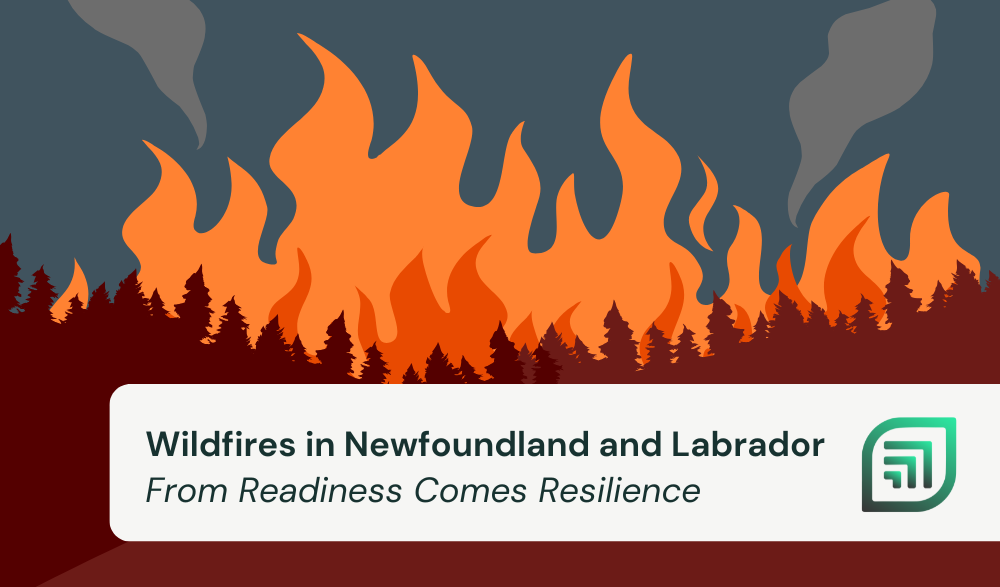
Wildfires in Newfoundland and Labrador: From readiness comes resilience 

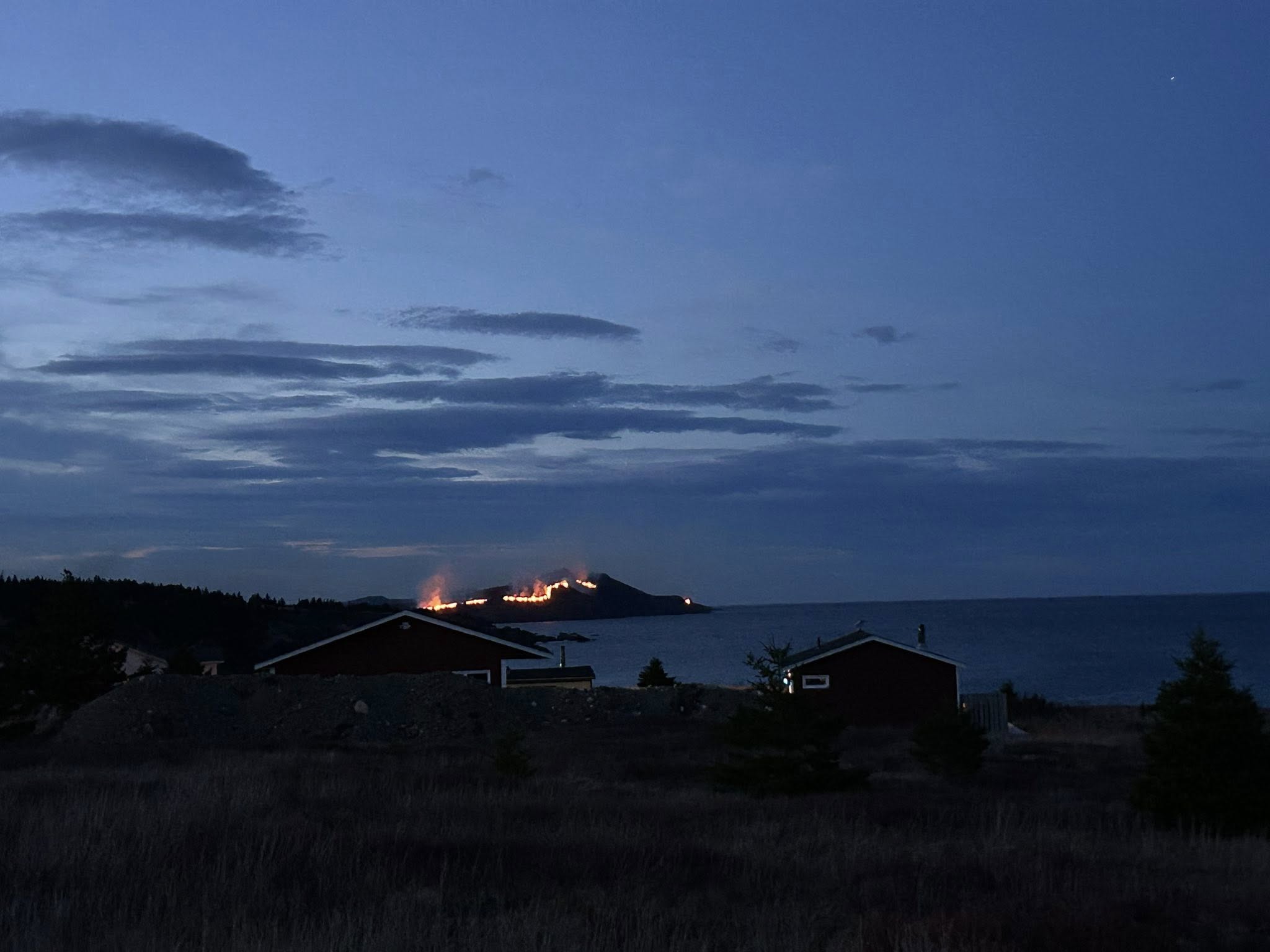
June 18, 2025 – econext’s thoughts are with those impacted by wildfires in Central NL and Labrador. Please see the resources below for local information and support.

From Readiness Comes Resilience 

It used to be that when we thought of wildfires, our minds likely shifted to places like Australia, California, or Western Canada. But the idea of wildfires in Newfoundland and Labrador? Historically, it hasn’t been top of mind.

All of that changed in the summer of 2022, when a series of major fires erupted in central Newfoundland, sparked by lightning strikes during a spell of intensely hot and dry weather. These blazes were some of the largest forest fires to ravage the island in its history, ultimately consuming over 228 square kilometers of land.

The fires caused widespread disruption and hardship. Roads and highways, some of which were the only means of connecting and supplying towns, were closed for days. Grocery store shelves were quickly emptied, and in some cases, food and supplies had to be flown in by helicopter. The smoke and poor air quality also prompted officials to declare a state of emergency in the city of Grand Falls-Windsor and several surrounding communities.

The searing images captured of forests, that were now nothing but ash and charred tree trunks, looked like something out of a post-apocalyptic movie- a far cry from the picturesque landscapes Newfoundland and Labrador is known for.

In the years since, wildfires have continued to threaten communities across the province. In July 2024, Labrador was hit by its largest-ever wildfire evacuation as fast-moving fires swept through communities including Labrador City, Wabush, and Churchill Falls, forcing thousands from their homes and severely disrupting daily life. The fires posed a direct threat to critical infrastructure, most notably the Churchill Falls hydroelectric generating station, which supplies electricity to both Labrador and Quebec.

As the wildfire near Churchill Falls crossed the Churchill River, it forced the evacuation of the plant and led to the shutdown of two major transmission lines, resulting in widespread power outages for residents and major iron-ore mines in Labrador West. Emergency power was supplied from Fermont, Quebec, but rotating outages and industrial disruptions persisted, highlighting the region’s vulnerability and the lasting impact on local families, businesses, and essential services.  Then, in 2025, new wildfires broke out in both Adam’s Cove and Labrador, prompting fresh warnings and renewed calls for vigilance as dry conditions and high fire risk persisted.


Why the future looks…smoky

It’s important to note that wildfires are a natural occurrence that play an important role in many ecosystems. They clear dead organic matter from the forest floor and help with nutrient cycling and plant regeneration. However, with global warming and increasing temperatures, the risk of wildfires has increased. Drier conditions and longer fire seasons are the new normal, and it’s not just Newfoundland and Labrador that’s feeling the heat.From the Amazon rainforest to the Australian outback, wildfires are ravaging ecosystems and communities at an alarming rate. Climate change is exacerbating these three major factors that influence wildfires, which when combined pose a significant threat to communities and ecosystems:

1. Dry fuel to burn: As temperatures rise, vegetation dries out more quickly, creating more fuel for fires to start and spread.

2. Frequent lightning strikes: Climate change also promotes the development of more storms capable of producing lightning, which is the chief cause of forest fires. These lightning strikes often ignite fires in remote areas, making them harder to detect and respond to.

3. Dry, windy weather: Hot and dry weather, or “fire weather,” is becoming more frequent, making fires harder to put out and intensifying the fire season. Topography also has a major impact on the spread and behavior of wildfires. When fires burn uphill, the flames are closer to the fuel, causing them to spread faster due to the increased fuel availability and drier conditions. Meanwhile, terrain like valleys and ridges can act as barriers to control the spread of the fire.

A heated relationship

The relationship between climate change and forest fires is a complex one. While forest fires can contribute to global warming through the release of greenhouse gas pollution, a warming planet also increases the likelihood of fires. It’s a cycle that can have negative consequences for the environment and for communities, but there are actions we can take to reduce its impact.

A fiery dance we can learn from

Think of a fire regime like a dance with partners: climate, ignitions, and vegetation. These partners come together to create a unique rhythm of fire events across a broad landscape and over a long span of time.

Climate sets the tempo, with warm, dry summers providing a beat for frequent fires. In Newfoundland and Labrador’s boreal forest, for example, a lack of rainfall and scorching summer temperatures provide the perfect conditions for these fiery events to take place. By observing these connections, we gain a deeper understanding of the patterns that shape the region and the relationships between these partners.

Beating the heat at home

By taking steps to maintain and protect the area surrounding your home, you can reduce the risk of wildfire damage. This can include removing dead vegetation and keeping trees trimmed, using fire-resistant materials in landscaping and construction, creating defensible space, and having an evacuation plan in place.

FireSmart leads the development of resources and programs to help Canadians increase resilience to wildfires. Learn more here and be sure to download their app to your phone:

https://firesmartcanada.ca/

If you want to dig deeper or stay informed, here are some great resources to check out:

– The Government of Newfoundland and Labrador offers a detailed Wildfire Preparedness and Prevention Guide. It covers fire bans, safety tips, and current fire updates. This is a great resource to understand local wildfire risks and rules.

Wildfire Prevention – Fisheries, Forestry and Agriculture

– To track wildfires in real time, explore Newfoundland and Labrador’s interactive Wildfire Dashboard. It shows current fire locations, sizes, and status. This tool is especially useful during fire season.

NL Active Wildfire Mapping Application

-The Canadian Red Cross provides useful information to help you prepare for and recover from wildfires in your community.

Wildfire Information and Support – Canadian Red Cross

Using these resources can help you stay prepared and protect your home and community from wildfire threats.

The burning question

With wildfires, it’s not just the natural environment that is at risk. These fires also threaten the communities that call Newfoundland and Labrador  home. The toll on property, infrastructure and loss of life can be significant and heartbreaking.

As wildfires become more prevalent in Newfoundland and Labrador, we face a pressing question: how do we adapt to this new reality? The most obvious answer is clear and well-known by now: we need to take immediate action to curb greenhouse gas emissions and slow the warming of the planet. But we also need to prepare ourselves for the inevitable impacts of climate change that are already happening.

This means a focus on fire prevention and management as well as disaster preparedness and response. All stakeholders have a role to play in this – whether its governments, communities, businesses, or individuals.

The increasing threat of wildfires in Newfoundland and Labrador is a stark reminder that climate change is not a distant threat. If you are interested to learn about how climate change presents risk for your community or business – and what you can do to prepare – contact Sepehr Khosravi, our province’s climate services specialist from CLIMAtlantic.

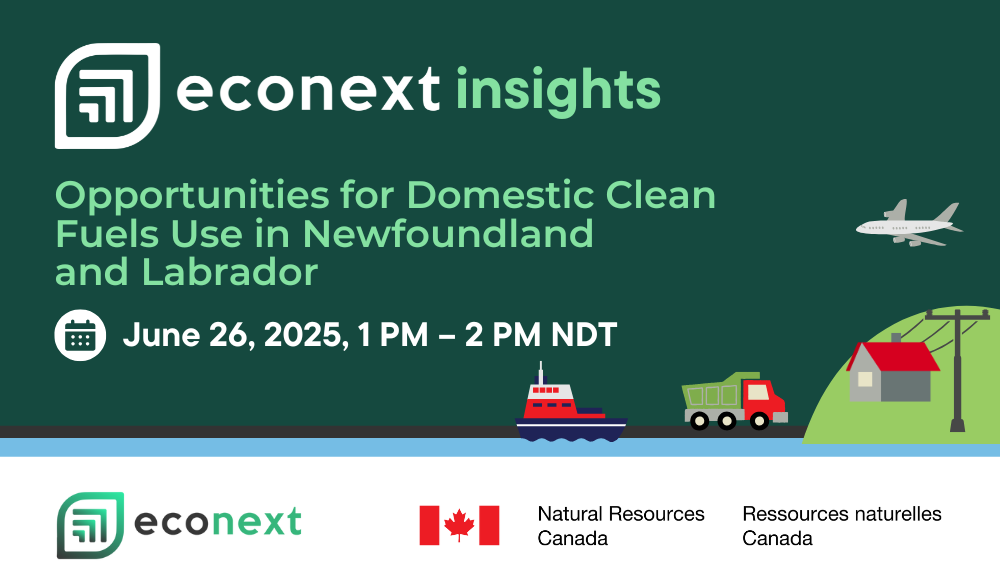
econext insights: Opportunities for Domestic Clean Fuels Use in Newfoundland and Labrador

As jurisdictions around the world work to reduce greenhouse gas emissions and build more resilient energy systems, clean fuels are emerging as a key part of the solution. With abundant natural resources and a growing focus on innovation, Newfoundland and Labrador is well-positioned to lead in this transition. Join econext for an online workshop as we explore the opportunities and challenges of clean fuel adoption across some of the province’s most critical economic sectors.

This session builds on the findings of econext’s recent research, which took a sector-specific approach to assessing the potential for clean fuel use within Newfoundland and Labrador. The research focused on the following areas:
• Marine Transportation
• Port Operations
• Electricity Grid Integration
• Remote Communities
• Heavy Industry (e.g. Mining)
• Heavy Duty Transportation
• Public Transportation
• Aviation

Session participants will be provided with a high-level overview of the study’s findings and invited to offer feedback that helps validate and enhance the insights. Your input will help shape future work, ensuring it reflects real-world needs and supports informed decision-making.

If you’re a stakeholder in any of these areas—whether you work in operations, infrastructure, energy, or policy—your perspective is vital. This is a chance to connect with peers, share your expertise, and contribute to shaping a cleaner, more sustainable energy future for Newfoundland and Labrador. Register now to take part in this important conversation.

Register now

This event is made possible through the support of Natural Resources Canada / Ressources naturelles Canada.

econext Summer Social 2025

Celebrate the Summer with econext!

Join us for the econext Summer Social on Thursday, July 17th, 2025 from 3:00pm – 5:00pm, in partnership with takeCHARGE! This in-person event will take place at Wooden Walls Distilling, 140 Harbour Drive, St. John’s.

Connect with fellow professionals in the industry and enjoy a fun-filled afternoon of networking, refreshments and snacks. This is a great opportunity to expand your professional network and connect with the econext team. Be sure to get your tickets by 4:00pm on Friday July 11th.

Space is limited – don’t miss out on this exciting event! Register now and secure your spot. See you there!

Buy Tickets Now

econext welcomes provincial government investment into workforce development for the green economy


For Immediate Release
June 9, 2025

econext is pleased to welcome today’s announcement by the Honourable Gerry Byrne, Minister of Jobs, Immigration and Growth, of a $1.99 million investment in the organization’s Accelerating Clean Growth: Green Economy Workforce Development Project.

This support from the Government of Newfoundland and Labrador allows econext to continue building the capacity of the province’s workforce to meet the needs of a growing green economy – including its clean energy sector.

“Newfoundland and Labrador’s green economy is primed for rapid and substantive growth,” said Kieran Hanley, econext’s CEO. “From our emerging wind-to-hydrogen industry to the expansion of our electricity grid, making sure we have the workers in place with the right skills will be a key success factor.”

Launched in 2023, the project is in collaboration with academic, industry, and workforce stakeholders. It is helping to prepare Newfoundlanders and Labradorians for opportunities in renewable energy industries such as wind, hydrogen, hydroelectricity, and the bioeconomy.

“By helping to build the skills and capacity needed for clean development, this project directly supports econext’s broader mission of positioning Newfoundland and Labrador as a world leader in the green economy.”

About econext

econext is a not-for-profit association with a mission to accelerate clean growth in Newfoundland and Labrador by: (1) stimulating research, development, and innovation; (2) preparing its workforce for a greening economy; and (3) acting as a catalyst for climate change action within its industries, businesses, and communities.

econext has been working for over 30 years on behalf of its members across many sectors to support environmentally sustainable economic development. More information can be found at https://econext.ca.

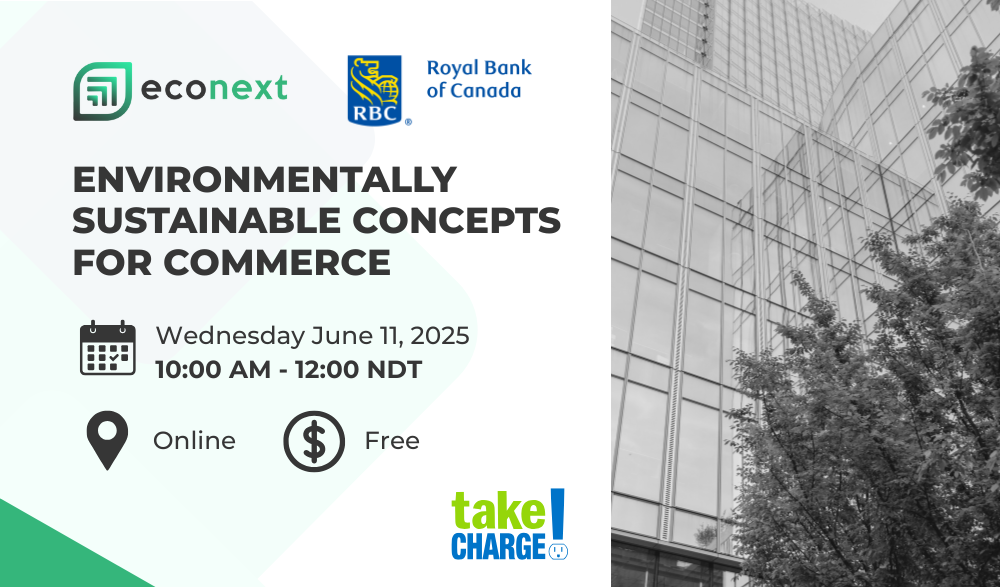
Environmentally Sustainable Concepts For Commerce

Going environmentally sustainable in the business realm has been a hot topic for many years. Businesses and industries have been challenged by investors and their end users to become more engaged in the pursuit of net-zero emissions, reduction of waste, and finding ways to use more renewable energy sources.

The underlying benefit to business in improved bottom lines is achievable through many means. The greatest success stories in environmentally sustainable operations and development of energy efficient practices sometimes go under the radar. This FREE virtual workshop seeks to tackle ways to find savings through going environmentally sustainable , and outlining your firm’s eco-friendly credentials.

Join RBC and econext on Wednesday June 11th from 10:00 AM – 12:00 PM NDT for an immersive look at two key concepts: utilizing existing programs to find energy efficiency savings no matter what sector you operate in, and compiling and publicizing your company’s approach to Environmental, Social and Governance (ESG).

RBC is pleased to bring together econext, takeCHARGE, Carbonhound, and Memorial University Business School in one event to show clients ways to make environmentally sustainable choices and publicize the good work you do.

Register today! Participants will be e-mailed the meeting link in the days prior to the event. If you have any questions about this session, please reach out to Colin Heffernan at econext (heffernan@econext.ca or (709) 979-0423).

Register now

Shem Evans


Shem has over 16 years of experience in the environmental industry, with special focus within the heavy industrial construction sector. His background consists of a variety of onsite environmental management roles in large undertakings throughout Canada and abroad, often in remote locations, requiring an acute understanding of the regulatory framework across various jurisdictions. Shem is highly knowledgeable in best practices for the design and implementation of monitoring programs as well as mitigation measures to protect the environment during construction, operation, and decommissioning of various Projects. Notable projects that Shem has been a part of, include Vale’s ‘Long Harbour Nickel Processing Plant Project’ (2012-2014), Nalcor’s ‘Lower Churchill Project – Muskrat Falls’ Powerhouse and Spillway (2014-2017), Rio Tinto’s ‘Kemano Tunnel 2 Project’ (2018-2019) in British Colombia, and the City of Kingston’s ‘Wabaan Bridge’ (Third Crossing Project (2019-2022)), in Ontario. The former, consisted of a 1.2-kilometre bridge built within the Rideau Canal, a federally managed waterway, designated National Historic Site of Canada, as well as UNESCO World Heritage Site.

Shem’s working background also consists of various consultant roles, inclusive of coordinating environmental assessments and compliance permitting for different projects throughout Canada. With Hatch, Shem has supported and advised on the decommissioning of hydro dams, several remediation projects, the construction of mines, bridges, and harbour improvements, as well as renewable energy projects throughout Atlantic Canada. Shem recently led the Environmental Impact Assessment and registration of J.D. Irving, Limited’s ‘Brighton Mountain Wind Farm’, a proposed 350 MW wind farm located in central New Brunswick.

Shem holds a master’s degree in environmental policy (2017) through Memorial University of Newfoundland (MUN)-Grenfell Campus, with a program focus on policy development and planning, as well as environmental assessment. His research, centered around the transition to a sustainable food system in Newfoundland and Labrador. Specifically, via holistic approaches to soil and crop cultivation, coupled with integrating technology and renewable energy systems into food production, to increase food sovereignty. Shem also was as a lecturer at MUN while undertaking his master’s program and received the distinction of ‘Fellow to the School of Graduate Studies’.

Shem previously served on the Board of Directors for the Western Environment Centre (2016-2018), based out of Corner Brook on the islands west coast, where he helped to coordinate community composting and gardening programs throughout the region. He is currently serving a two-year term, on the Board of Directors for econext (2024-2026).

Shandi Caines


Shandi Caines is a dedicated Account Manager with BDC, where she proudly supports entrepreneurs across St. John’s and the West Coast of Newfoundland. She thrives on building meaningful relationships with business owners and helping them uncover new opportunities to grow and succeed.

What fuels her work is the excitement of meeting new people, exploring fresh ideas, and continuously learning through every project and challenge. Her approach is collaborative and always client focused. In addition to her banking expertise, she brings over a decade of experience in business development, sales, marketing, and consulting. She is especially passionate about crafting integrated strategies that help businesses connect with the right audience in meaningful and impactful ways.

Outside of work, Shandi enjoys hiking with her dog Cooper, tackling DIY projects, and planning her next travel adventure—having already explored 20 countries! She’s excited for the journey ahead!