
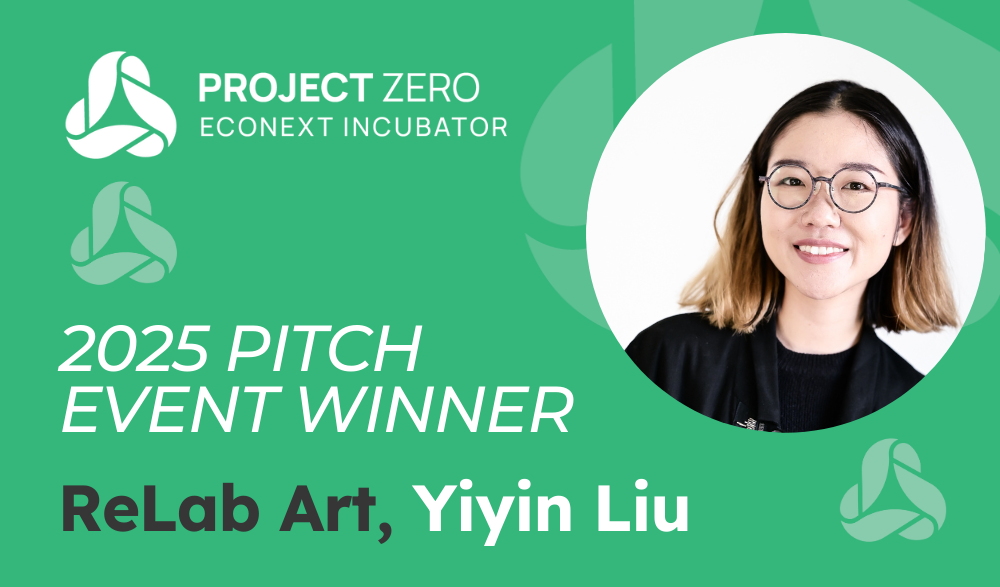
econext marks first year of Project Zero Incubator Program as entrepreneurs pitch circular solutions

St. John’s, NL — Entrepreneurs from across Newfoundland and Labrador capped off the first year of econext’s Project Zero Circular Economy Incubator last week by pitching their ventures to a panel of industry experts. ReLab Art, founded by Yiyin Liu, took home the top prize of $3,000 for its innovative approach to repurposing physical waste from MUN laboratories into unique artwork. All other incubator participants received a $500 program contribution bonus to help support their ventures.

Program lead Audrey Parnell, Manager of Circular Economy with econext, said the inaugural year demonstrated the strength of the province’s growing circular-economy sector. “I loved the energy and diverse projects we saw from our inaugural cohort of ventures. While the circular economy is just starting in Newfoundland and Labrador, these ventures showcased the immense potential that exists in the province.”

Six Months of Work Culminate in Public Pitch Event
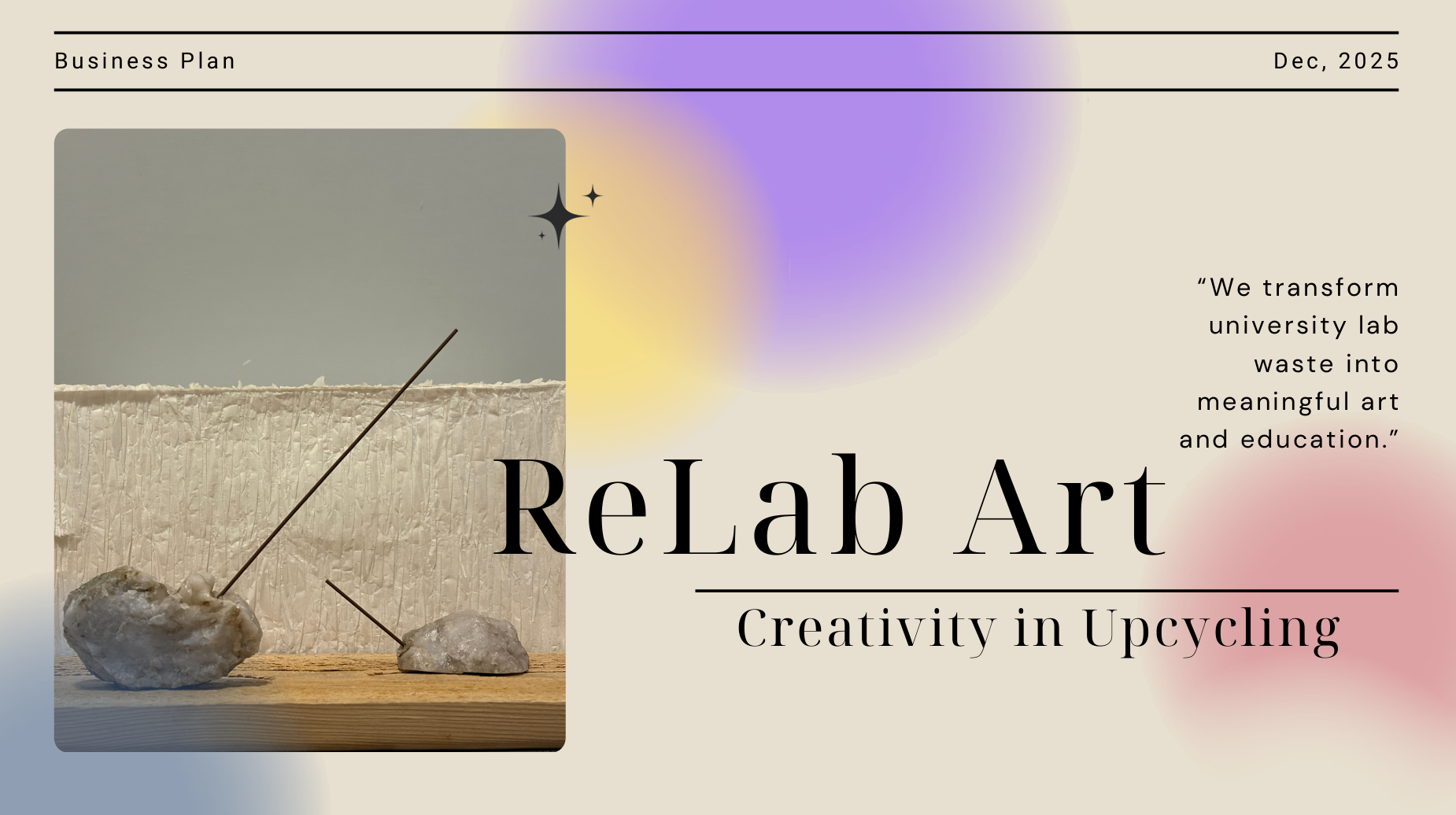
(Presentation by Yiyin Liu, highlighting their venture ReLab Art and showcasing some of their recycled art.).

The pitch event marked the end of a six-month incubator offering business training, circular-economy guidance, and one-on-one mentorship to help participants develop or refine their ventures. Over program phases, entrepreneurs were introduced to strategies for reducing waste, improving resource efficiency, and extending the lifespan of materials through reuse, repair, redistribution, and recycling.

Ventures explored a wide range of ideas, from oil-filtration recycling to 3D-printed farming kits. “I have been impressed with the creativity of our entrepreneurs who are able to find value in waste,” said Parnell. “There was a wide spread of ideas, which represents the range of opportunity available in our province.”

Judges from across the industry evaluated the final presentations, while community members, partners, and other representatives attended to learn about emerging companies working to shift the province toward more sustainable economic practices.

Promoting Circular Innovation

The incubator was launched to help businesses move away from the traditional “take-make-waste” model, in which products are used briefly and then discarded. Globally, only 7.2% of materials are recirculated at the end of their life, a trend that fuels resource depletion and strains natural systems.

Circular-economy approaches aim to reverse this pattern by keeping products and materials in use longer and designing systems that minimize waste. The econext Project Zero Circular Economy Incubator provides Newfoundland and Labrador entrepreneurs with the tools and expertise to grow and implement such models locally.

Acknowledging the Contributors

econext extends its thanks to everyone who contributed to the success of the pilot cohort, including the pitch judges, program participants, attending audience, subject matter experts, and program mentors.

Special appreciation is given to the team at the Synergy Foundation for their help in launching the Project Zero Incubator within Newfoundland and Labrador, as well as to the Multi-Materials Stewardship Board for their role in supporting this program.

A complete list of participating ventures is available here: here

Next Steps 

With its first year complete, econext is preparing for the next cohort. “We’re excited to move into our second year of the incubator program, building on what we’ve learned and strengthening the support we offer to entrepreneurs across the province,” said Parnell. “It’s been inspiring to see new ideas emerge around waste and circularity, and we’re looking forward to helping our 2026 cohort continue to develop and mature their businesses.”

Applications for the 2026 Project Zero Circular Economy Incubator will open in the coming year. Updates will be shared through econext’s weekly newsletter, and inquiries can be directed to incubator@econext.ca.
Project Zero econext Circular Economy Incubator

The Project Zero econext Circular Economy Incubator is a free program to help entrepreneurs and businesses explore opportunities for innovative new approaches to waste management in Newfoundland and Labrador (NL).

Over the course of 6 months, participants will advance their ideas forward and benefit from entrepreneurial skill-building, circular economy expertise, ongoing business mentorship, and access to a network of like-minded organizations and leaders. You can read more our first cohort and our latest pitch winner here.

Program Outcomes

Through the incubator, program participants will:

  • Develop a business plan
  • Learn how to pitch their ideas
  • ​Build a foundation of business fundamentals and entrepreneurial skills
  • ​Connect with mentors and coaches
  • ​Network with innovative business leaders and industry experts
  • ​Come together with like-minded entrepreneurs going through the same process

At the end of the program, participants will have a better understanding of the feasibility of their ideas and what the next steps are in their pursuit.

Applications

Applications are now closed.

Program Schedule

  • February – Applications open.
  • April – Applications close. Cohort is selected from the applicant pool.
  • May – Each venture is matched with a business coach, meeting monthly to provide mentorship, facilitate connections, and jump hurdles. Ventures participate in monthly virtual sessions hosted by industry experts, covering entrepreneurship and sustainability fundamentals. In tandem with sessions, ventures complete assignments that build towards a comprehensive business plan.
  • December – Ventures compete in the final pitch event, presenting to an audience of investors, industry experts, and media.

Why is Innovation in NL’s Waste Management Important?

Newfoundland and Labrador has a small population spread across vast areas of land. Its communities and industries are often found in rural and sometimes even remote areas. These circumstances make the provision of waste management services challenging. Processes and technologies that are proven elsewhere often are uneconomic in the NL context due to smaller scales of activity and volumes of waste. Meanwhile, NL is one of the largest producers per capita of waste in Canada; our waste has significant environmental impacts including the fact that our landfills are responsible for ~7% of the province’s greenhouse gas (GHG) emissions. Developing and adopting new technologies and services that diverts waste from our landfills can have a positive environmental impact and reduce our waste management costs.

What is the Circular Economy?

In today’s world, most of the products we purchase are made from raw resources and are designed to be used for only a short time before being disposed of and ending up at a landfill. On average, only 7.2% of materials are recirculated back into the global economy at end-of-life. This ‘take-make-waste’ economy is resource-intensive and puts pressure on Earth’s natural ecosystems.

Taking a more ‘circular’ approach means rethinking how products are designed, manufactured, used, and treated at the end of their useful life. In a circular economy, products and materials recirculate within the supply chain through reduction, reuse and repair, redistribution, reconditioning, and recycling processes.

A more circular economy reduces waste and pollution, while helping to increase resource efficiency.

Questions

If you have any questions on the Project Zero econext Circular Economy Incubator or the application process, please reach out to incubator@econext.ca.

About Synergy Foundation

Synergy Foundation was created in 2013 by the Synergy Enterprises team and a group of passionate community members and leaders who recognized the need for a non-profit organization to lead the transition towards a green economy on the west coast. Since its inception, Synergy Foundation has focused on innovative projects and programs that have pushed the envelope, supported hundreds of businesses, and turned great ideas into action.

​Our core focus areas include supporting communities and businesses in adopting circular economy practices and advancing green business operations to foster a regenerative, inclusive, and equitable economy. This is represented in our core initiatives: BC Green Business, Project Zero, and the Ecostar Awards.

2025 Program Participants

2025 Program Cohort List

Chemisphere
Ecofoundland Innovation
FutureSprout
Gale’s Wastewater Services
MME Energy Inc.
Oil Filtration Solutions Ltd.
PrinterAPI
ReLab Arts
Starfish Anchor

2025 Program Mentor List

We are extremely grateful to our mentors for generously volunteering their time and expertise to support the Project Zero econext Incubator ventures.

Brad Russell
Don Drew
Joshua Barrett
Larry Gray
Renita Dominaux
Shandi Caines
Shem Evans
BJ Danylchuk
• Diane Hollett

2025 Informational Webinar

Please find both the recording and presentation from the 2025 Project Zero econext Circular Economy Incubator webinar.

Click here for the presentation.

Click here for the webinar recording.

Circular Economy in NL Agriculture – Sheep Farming

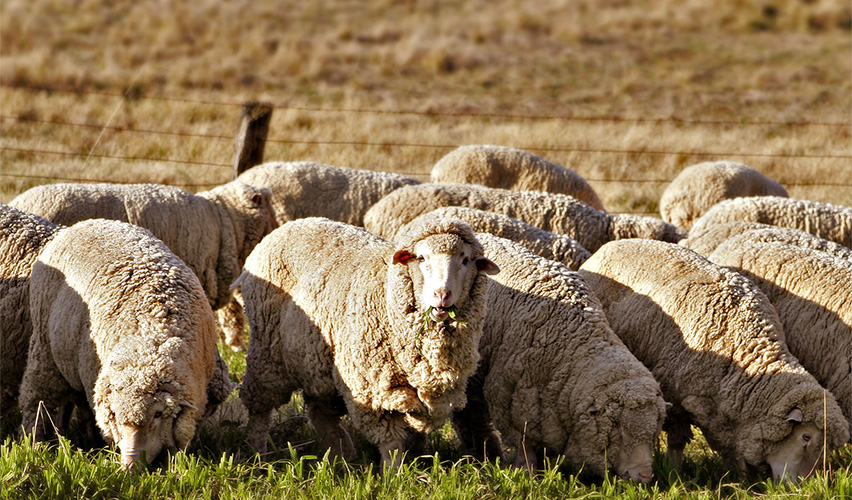
econext, in collaboration with the Sheep Producers of Newfoundland and Labrador (SPANL), facilitated a workshop February 9, 2024, in Clarenville. In addition to the SPANL board and econext staff members, representatives from Heritage NL, NL Craft Council, NL Federation of Co-Operatives, Go Western Tourism, and the Department of Fisheries Forestry and Agriculture attended. The workshops focused on the barriers to utilizing wool in the province, which otherwise was being landfilled or burnt, and explored opportunities. Three opportunities have arisen from this workshop which continue to be pursued:

  • First, a producer has identified an existing technology which will allow it to produce fertilizer pellets with their discarded wool, and is actively seeking to finance this initiative.
  • Second, sheep farmers have been connected with an entrepreneur looking to establish a micromill which has the potential to use the wasted wool resource.
  • Third, a social media group has been established and events are being held with the intent to connect sheep farmers with the craft community to use the wasted wool resource.

econext feels that the lessons learned from this pilot initiative have the potential to be applied in other aspects of agriculture in NL.

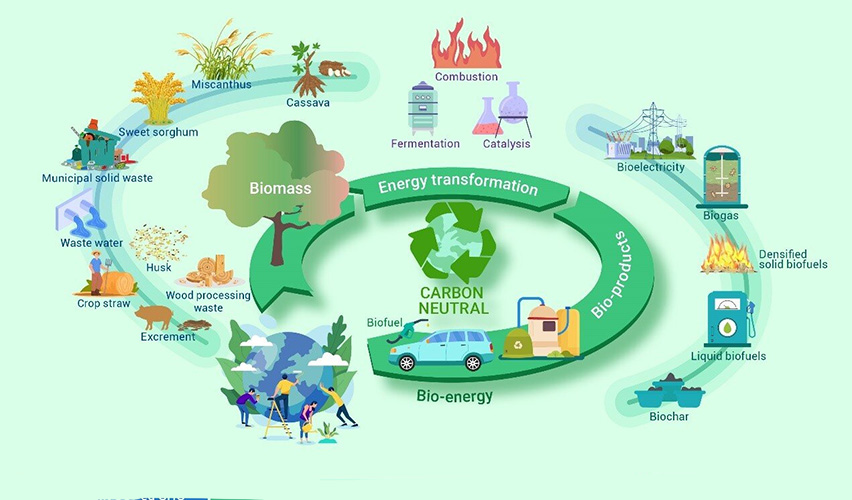
Discussion Paper – Biomass Energy Potential in Newfoundland and Labrador

Forthcoming.

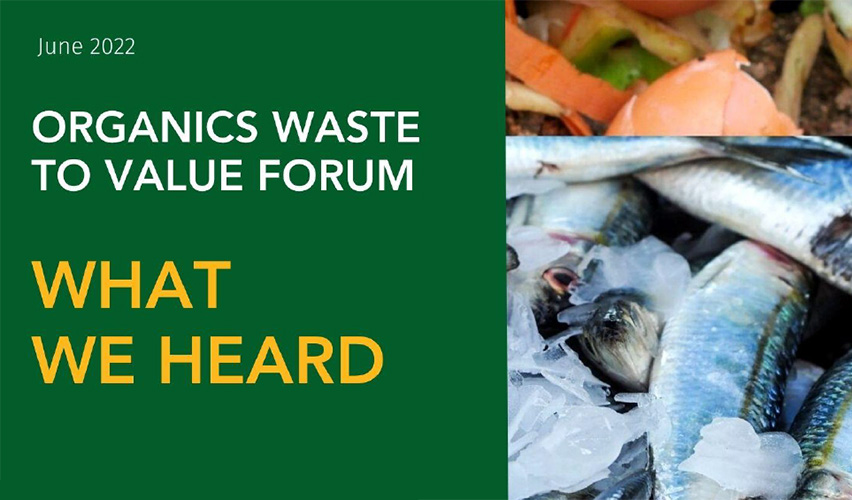
What We Heard – Organics Waste to Value Forum

econext partnered with The Harris Centre in 2022 with participants from forestry, agriculture, fisheries, aquaculture, local and provincial government, academia, research institutions, and others in the organization and delivery of a forum to explore potential “waste-to-value” opportunities for industrial organic waste streams in Newfoundland and Labrador.

The event was also in partnership with the NL Forestry Industry Association (NLFIA), the NL Aquaculture Industry Association (NAIA), the NL Federation of Agriculture (NLFA), the Canadian Centre for Fisheries Innovation (CCFI), and the Association of Seafood Producers.

The Harris Centre published a ‘What We Heard’ document stemming from the workshop to inform future activities and potential initiatives. Click here to download the report.

Identifying Value from Waste Opportunities for Atlantic Canada

In 2022 econext worked with Springboard Atlantic Inc. to determine opportunities to identify value from waste across four primary resources sectors within Atlantic Canada including fisheries, aquaculture, forestry, and agriculture.

The intent of the project was to identify waste management challenges faced by these sectors and the potential role of research and development (R&D) in addressing these challenges by extracting value from waste streams.

The scope of work included extensive stakeholder engagement through interviews with industry, the preparation of a summary report on value from waste opportunities, the evaluation of potential challenges including the development of an evaluation matrix and prioritization of challenges, the drafting of potential “challenge” statements to guide potential Springboard engagement in R&D on behalf of industry, vetting of challenge statements with industry and institutions, and finalization of challenge statements.

Download the Report