
Wildfires in Newfoundland and Labrador: From readiness comes resilience 

June 18, 2025 – econext’s thoughts are with those impacted by wildfires in Central NL and Labrador. Please see the resources below for local information and support.

From Readiness Comes Resilience 

It used to be that when we thought of wildfires, our minds likely shifted to places like Australia, California, or Western Canada. But the idea of wildfires in Newfoundland and Labrador? Historically, it hasn’t been top of mind.

All of that changed in the summer of 2022, when a series of major fires erupted in central Newfoundland, sparked by lightning strikes during a spell of intensely hot and dry weather. These blazes were some of the largest forest fires to ravage the island in its history, ultimately consuming over 228 square kilometers of land.

The fires caused widespread disruption and hardship. Roads and highways, some of which were the only means of connecting and supplying towns, were closed for days. Grocery store shelves were quickly emptied, and in some cases, food and supplies had to be flown in by helicopter. The smoke and poor air quality also prompted officials to declare a state of emergency in the city of Grand Falls-Windsor and several surrounding communities.

The searing images captured of forests, that were now nothing but ash and charred tree trunks, looked like something out of a post-apocalyptic movie- a far cry from the picturesque landscapes Newfoundland and Labrador is known for.

In the years since, wildfires have continued to threaten communities across the province. In July 2024, Labrador was hit by its largest-ever wildfire evacuation as fast-moving fires swept through communities including Labrador City, Wabush, and Churchill Falls, forcing thousands from their homes and severely disrupting daily life. The fires posed a direct threat to critical infrastructure, most notably the Churchill Falls hydroelectric generating station, which supplies electricity to both Labrador and Quebec.

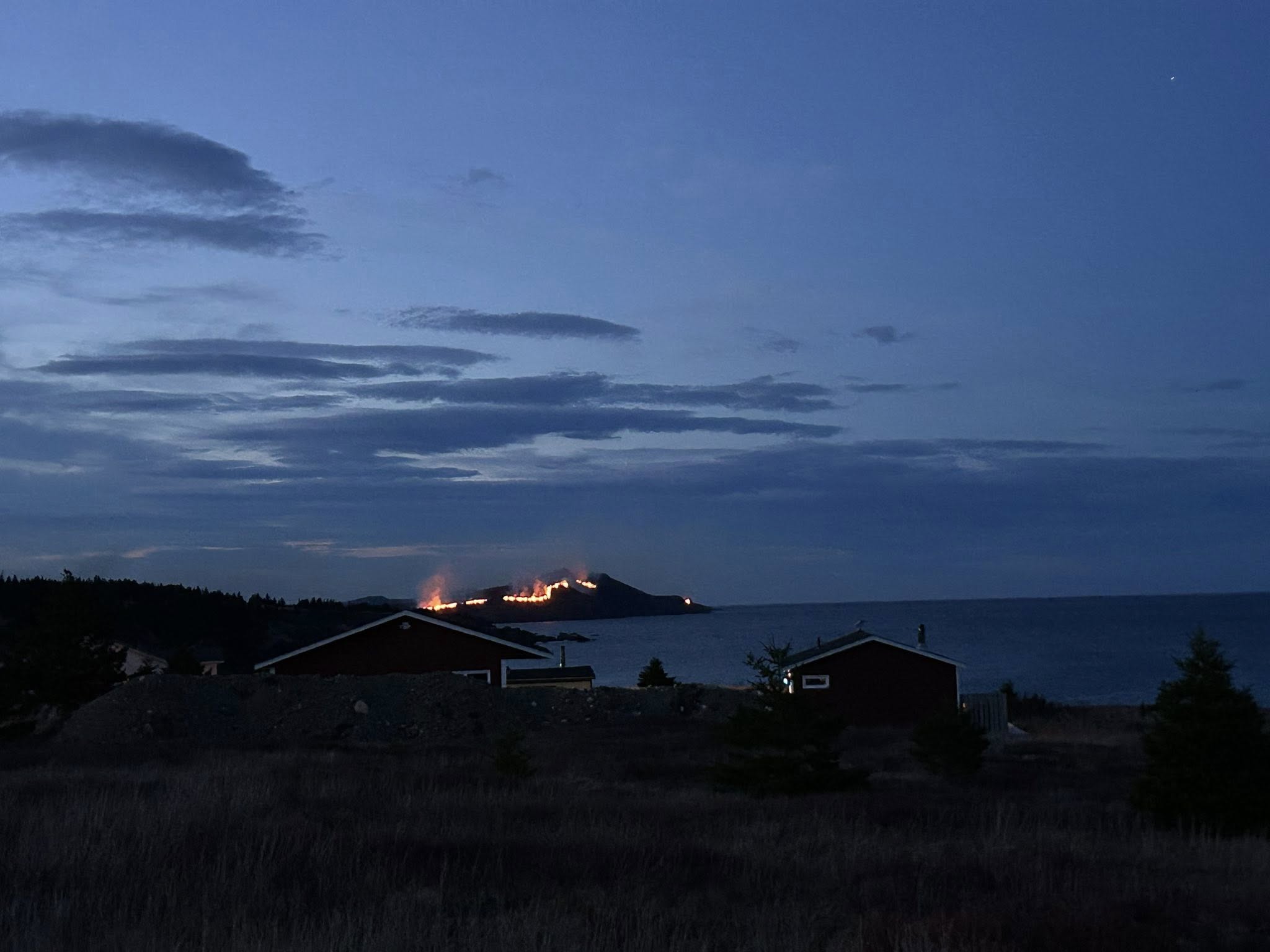
As the wildfire near Churchill Falls crossed the Churchill River, it forced the evacuation of the plant and led to the shutdown of two major transmission lines, resulting in widespread power outages for residents and major iron-ore mines in Labrador West. Emergency power was supplied from Fermont, Quebec, but rotating outages and industrial disruptions persisted, highlighting the region’s vulnerability and the lasting impact on local families, businesses, and essential services.  Then, in 2025, new wildfires broke out in both Adam’s Cove and Labrador, prompting fresh warnings and renewed calls for vigilance as dry conditions and high fire risk persisted.
 

Why the future looks…smoky

It’s important to note that wildfires are a natural occurrence that play an important role in many ecosystems. They clear dead organic matter from the forest floor and help with nutrient cycling and plant regeneration. However, with global warming and increasing temperatures, the risk of wildfires has increased. Drier conditions and longer fire seasons are the new normal, and it’s not just Newfoundland and Labrador that’s feeling the heat.From the Amazon rainforest to the Australian outback, wildfires are ravaging ecosystems and communities at an alarming rate. Climate change is exacerbating these three major factors that influence wildfires, which when combined pose a significant threat to communities and ecosystems:

1. Dry fuel to burn: As temperatures rise, vegetation dries out more quickly, creating more fuel for fires to start and spread.

2. Frequent lightning strikes: Climate change also promotes the development of more storms capable of producing lightning, which is the chief cause of forest fires. These lightning strikes often ignite fires in remote areas, making them harder to detect and respond to.

3. Dry, windy weather: Hot and dry weather, or “fire weather,” is becoming more frequent, making fires harder to put out and intensifying the fire season. Topography also has a major impact on the spread and behavior of wildfires. When fires burn uphill, the flames are closer to the fuel, causing them to spread faster due to the increased fuel availability and drier conditions. Meanwhile, terrain like valleys and ridges can act as barriers to control the spread of the fire.

A heated relationship

The relationship between climate change and forest fires is a complex one. While forest fires can contribute to global warming through the release of greenhouse gas pollution, a warming planet also increases the likelihood of fires. It’s a cycle that can have negative consequences for the environment and for communities, but there are actions we can take to reduce its impact.

A fiery dance we can learn from

Think of a fire regime like a dance with partners: climate, ignitions, and vegetation. These partners come together to create a unique rhythm of fire events across a broad landscape and over a long span of time.

Climate sets the tempo, with warm, dry summers providing a beat for frequent fires. In Newfoundland and Labrador’s boreal forest, for example, a lack of rainfall and scorching summer temperatures provide the perfect conditions for these fiery events to take place. By observing these connections, we gain a deeper understanding of the patterns that shape the region and the relationships between these partners.

Beating the heat at home

By taking steps to maintain and protect the area surrounding your home, you can reduce the risk of wildfire damage. This can include removing dead vegetation and keeping trees trimmed, using fire-resistant materials in landscaping and construction, creating defensible space, and having an evacuation plan in place.

FireSmart leads the development of resources and programs to help Canadians increase resilience to wildfires. Learn more here and be sure to download their app to your phone:

https://firesmartcanada.ca/

If you want to dig deeper or stay informed, here are some great resources to check out:

– The Government of Newfoundland and Labrador offers a detailed Wildfire Preparedness and Prevention Guide. It covers fire bans, safety tips, and current fire updates. This is a great resource to understand local wildfire risks and rules.

Wildfire Prevention – Fisheries, Forestry and Agriculture

– To track wildfires in real time, explore Newfoundland and Labrador’s interactive Wildfire Dashboard. It shows current fire locations, sizes, and status. This tool is especially useful during fire season.

NL Active Wildfire Mapping Application

-The Canadian Red Cross provides useful information to help you prepare for and recover from wildfires in your community.

Wildfire Information and Support – Canadian Red Cross

Using these resources can help you stay prepared and protect your home and community from wildfire threats.

The burning question

With wildfires, it’s not just the natural environment that is at risk. These fires also threaten the communities that call Newfoundland and Labrador  home. The toll on property, infrastructure and loss of life can be significant and heartbreaking.

As wildfires become more prevalent in Newfoundland and Labrador, we face a pressing question: how do we adapt to this new reality? The most obvious answer is clear and well-known by now: we need to take immediate action to curb greenhouse gas emissions and slow the warming of the planet. But we also need to prepare ourselves for the inevitable impacts of climate change that are already happening.

This means a focus on fire prevention and management as well as disaster preparedness and response. All stakeholders have a role to play in this – whether its governments, communities, businesses, or individuals.

The increasing threat of wildfires in Newfoundland and Labrador is a stark reminder that climate change is not a distant threat. If you are interested to learn about how climate change presents risk for your community or business – and what you can do to prepare – contact Sepehr Khosravi, our province’s climate services specialist from CLIMAtlantic.
Discussion Paper: Economic Development and Climate Change Adaptation in Newfoundland and Labrador

The economy of Newfoundland and Labrador (NL) and the lifestyle of its residents have always been deeply connected to the land and ocean, and the natural resources that abound from them. From agriculture and fisheries, mining and energy generation, to tourism, the arts, and the activities of everyday life, we have built systems and narratives that rely on a stable climate and healthy ecosystems to function optimally.

The reality is that we have entered a period of climate instability and what has worked for us in the past is now experiencing vulnerability and strain. Climate change is actively shifting our baseline and we must reframe our decision-making accordingly. We must consider more factors, ask ourselves new questions, and look further ahead than we may have before. Incomplete analysis and short-sightedness at this point in history may not only lead to poor investment outcomes, but even risk to life.

As decision makers invest into economic development initiatives in the province, it is therefore important to consider how the changing climate will impact proposed plans. This discussion paper aims to illustrate the connections between climate change and economic development in NL so that we can move forward in a way that minimizes risk and maximizes benefits for all.

Download the Discussion Paper

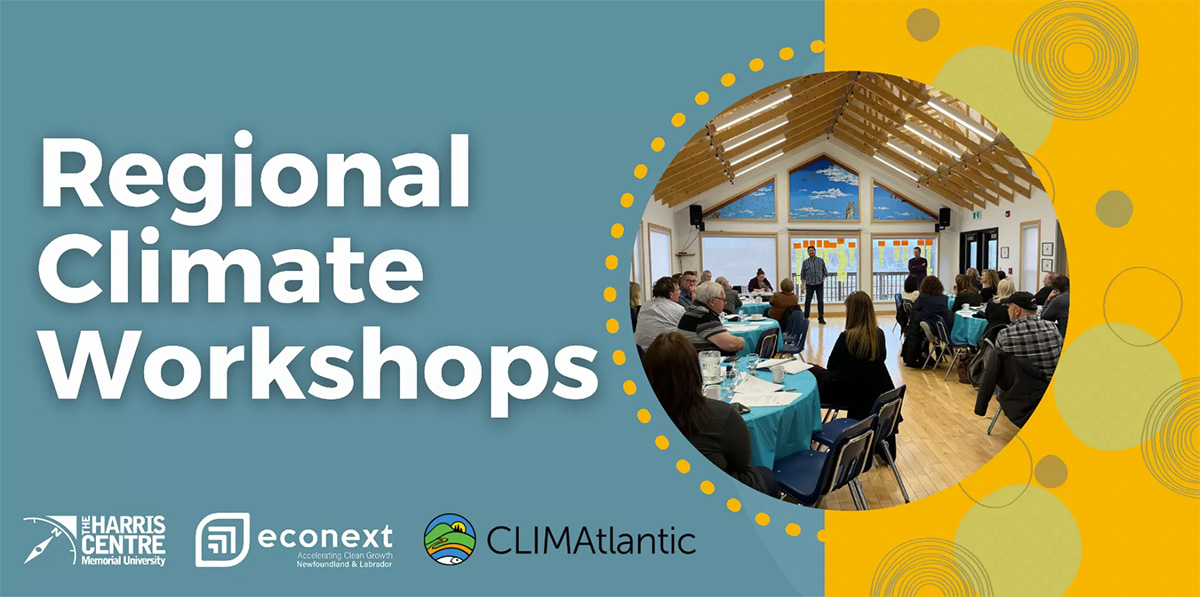
Regional Climate Workshops: Summary Report

As part of on-going efforts to both inform and learn from community members across the province, the Harris Centre – in partnership with econext and CLIMAtlantic – hosted a series of regional workshops in 2023 to discuss the impacts and adaptation opportunities associated with climate change in Newfoundland and Labrador. These sessions built on Forecast NL, an 18-month initiative by the Harris Centre that brought together key stakeholders for a province-wide discussion on the question: How can NL create economic and social prosperity while mitigating and adapting to climate change?

The primary focus for the 2023 regional workshops was to:

  • Provide an opportunity for community members and stakeholders from different NL regions and sectors to learn more about climate adaptation strategies potentially relevant to their region and the climate impacts they are experiencing.
  • Hear directly from community members and stakeholders about experiences with climate change and how their communities/region have begun to consider or adopt adaptation strategies.
  • Create a forum for community members to explore the needs and opportunities for adaptation strategies to enhance the resilience of their region, and to highlight the types of technical assistance or other supports needed in order to pursue these strategies.
  • Generate useful information for local and provincial organizations to inform their planning and provision of technical assistance resources toward climate adaptation issues and strategies of highest interest, priority and need.

The following report is a summary of workshops held during 2023 in Grand Falls-Windsor, Port Rexton/Trinity East, Bonavista, Port aux Basques, Codroy Valley, and Pasadena.

Download the Report

Coastal Adaptation Toolkit

The Coastal Adaptation Toolkit was developed by CLIMAtlantic to help Atlantic rural coastal communities and property owners plan for the effects of climate change. It is appropriate for use by communities and property owners that are experiencing coastal issues related to erosion and/or short- and long-term flooding impacts.

The intent of the toolkit is to help communities and decision-makers as well as coastal property owners be aware of their coastal environment, the different adaptation options available to them, and the applicability of the options under different scenarios.

Access the Toolkit

Riding the Storm: How coastal communities in Newfoundland and Labrador are bracing for more intense hurricanes in a changing climate

This post is part of a series of articles to help create awareness of green economy challenges and opportunities in Newfoundland and Labrador

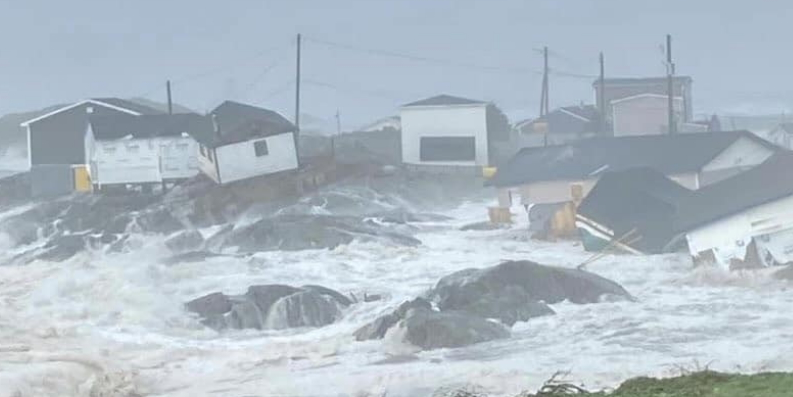
In late September 2022, residents of Channel-Port aux Basques experienced a storm like no other.

Fiona reached the town located at the extreme southwestern tip of Newfoundland as a post-tropical storm equivalent to a Category 2 Atlantic Hurricane. It lashed out against the coastal town with winds whipped up to 135 kilometers per hour and a storm surge that broke the record for the highest water level ever recorded in the area.

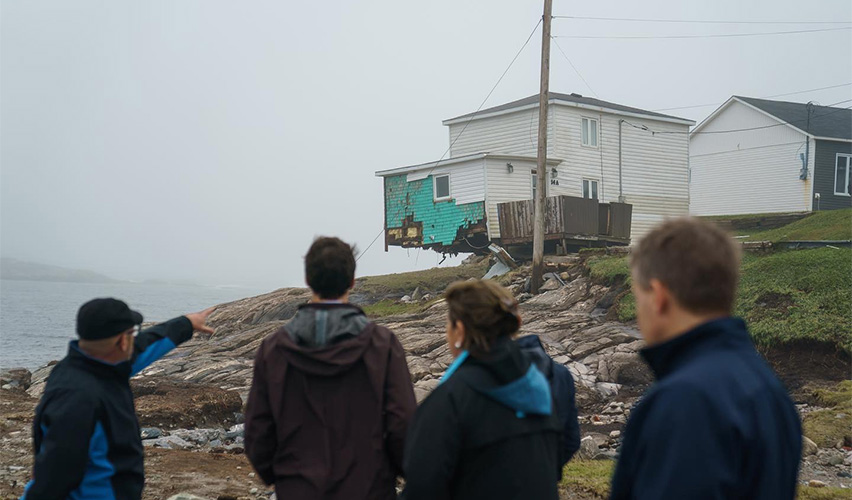
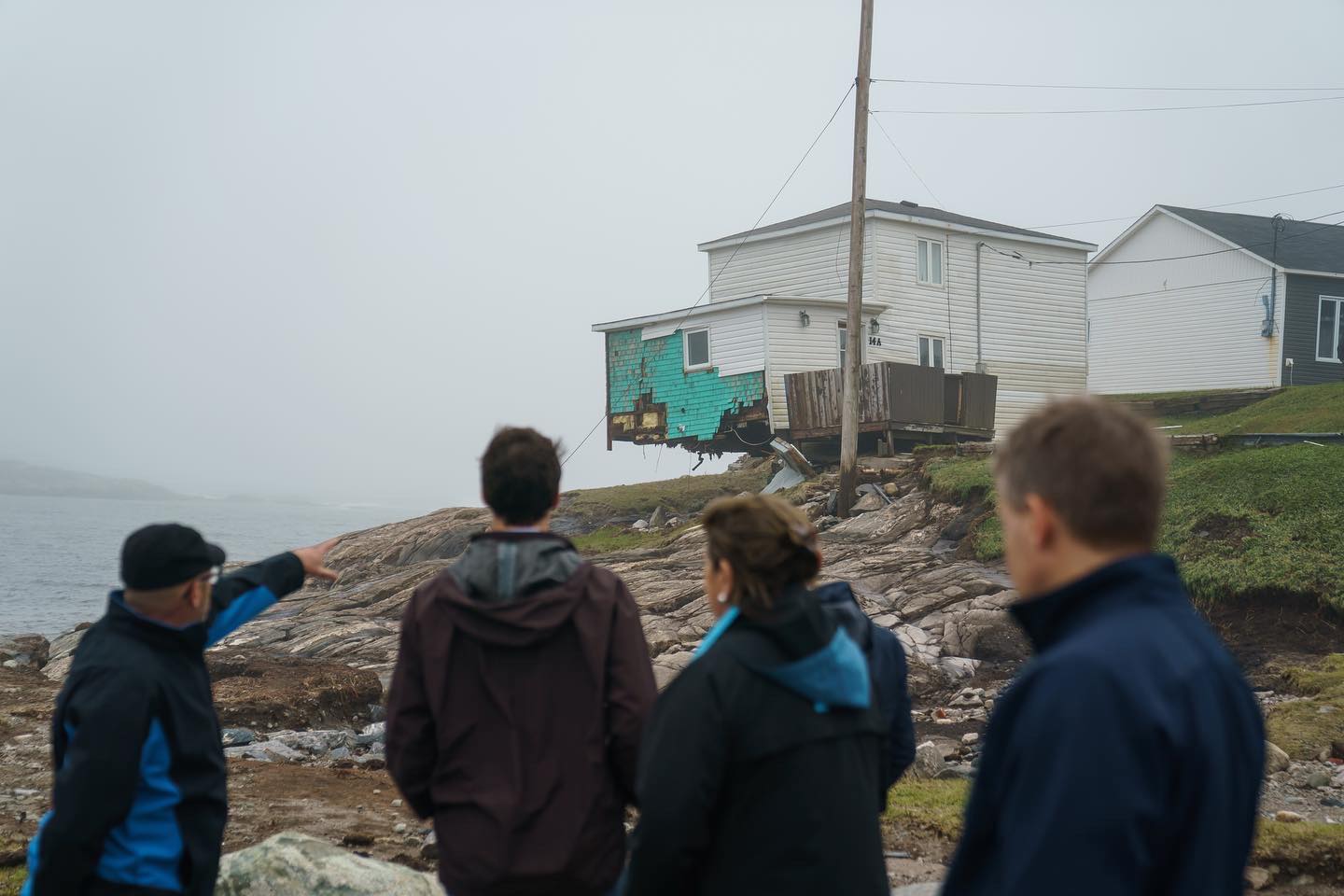
Family homes which had stood for generations were ripped from their foundations. The sheer force of the event left an indelible mark on the landscape and amidst the chaos, a sense of resilience emerged as communities came together to support each other through the turbulent times.

Fiona’s toll included widespread physical destruction to homes and businesses, and a community reeling with unimaginable loss. For those living in so many of the coastal communities in this province, the storm also leaves behind an uncertain future. With the world getting warmer due to climate change, they can likely expect more intense hurricanes to reach their shores. In other words, the storms that do hit are going to hit harder than ever before.

To protect against the impacts of powerful storms – whether through improved forecasting tools, stronger infrastructure, or government policy – coastal communities need to adapt to climate change impacts to safeguard themselves from the increasingly destructive forces of nature.

When it comes to predicting and preparing for hurricanes, understanding their ingredients is key.

Just like a cookie needs the right balance of sugar, flour, and butter to turn out perfectly, a hurricane needs certain conditions to form and strengthen.

  1. First and foremost, warm ocean water is essential, with a surface temperature of at least 26 degrees Celsius required. As the saying goes, “heat rises,” and it’s no different with hurricanes. The warmer the water, the more energy is available to fuel the storm.
  2. Next, there needs to be plenty of moisture in the air. This helps feed the storm and keeps it growing.
  3. Low wind shear is also crucial. This refers to the difference in wind speed and direction at different altitudes. If there is too much wind shear, it can disrupt the storm’s circulation and weaken it.
  4. Finally, there needs to be certain atmospheric conditions or a disturbance in place, such as a thunderstorm, for a hurricane to form. Without this initial spark, the storm won’t have anything to build upon. Imagine blending all these elements together, like the ingredients of a recipe, and what do you get? A hurricane, right? Well, not always. Even when all these factors align perfectly, the magic doesn’t guarantee that a hurricane will emerge every time. It’s like nature’s own unpredictable masterpiece!


Video Courtesy NOAA SciJinks

Hurricane return periods tell us how often we can expect a hurricane of a certain strength to hit a particular area. For instance, a return period of 20 years for a major hurricane means that, historically, a Category 3 or higher hurricane has made landfall within 50 nautical miles of that location an average of five times in the past 100 years. Therefore, we could anticipate around five more of these severe storms to hit that area over the next century. In our new climate reality, we’re staring down the barrel of a future where these extreme weather events are becoming more frequent (unless we take drastic action to combat climate change) rather than generational events.

Trying to figure out how climate change will affect hurricanes might seem really hard. But with advanced global climate models, a deep understanding of how hurricanes work, and looking at past hurricane patterns, scientists are getting better at predicting these strong storms. Still, it’s important to remember that there’s some uncertainty, even though we’re making progress in how we study them. So, there’s hope, but we’re not completely certain yet.

Did you know:

Hurricane Fiona was the costliest extreme weather event ever recorded in Atlantic Canada, with an estimated $660 million in insured damages.
Catastrophe Indices and Quantification Inc. (CatIQ)

It takes a community

The community of Logy Bay-Middle Cove-Outer Cove (LBMCOC) is nestled on the northeastern coast of the Avalon Peninsula. Residents there are all too familiar with the mounting threats posed by a rise in the frequency and severity of fall and winter storms.

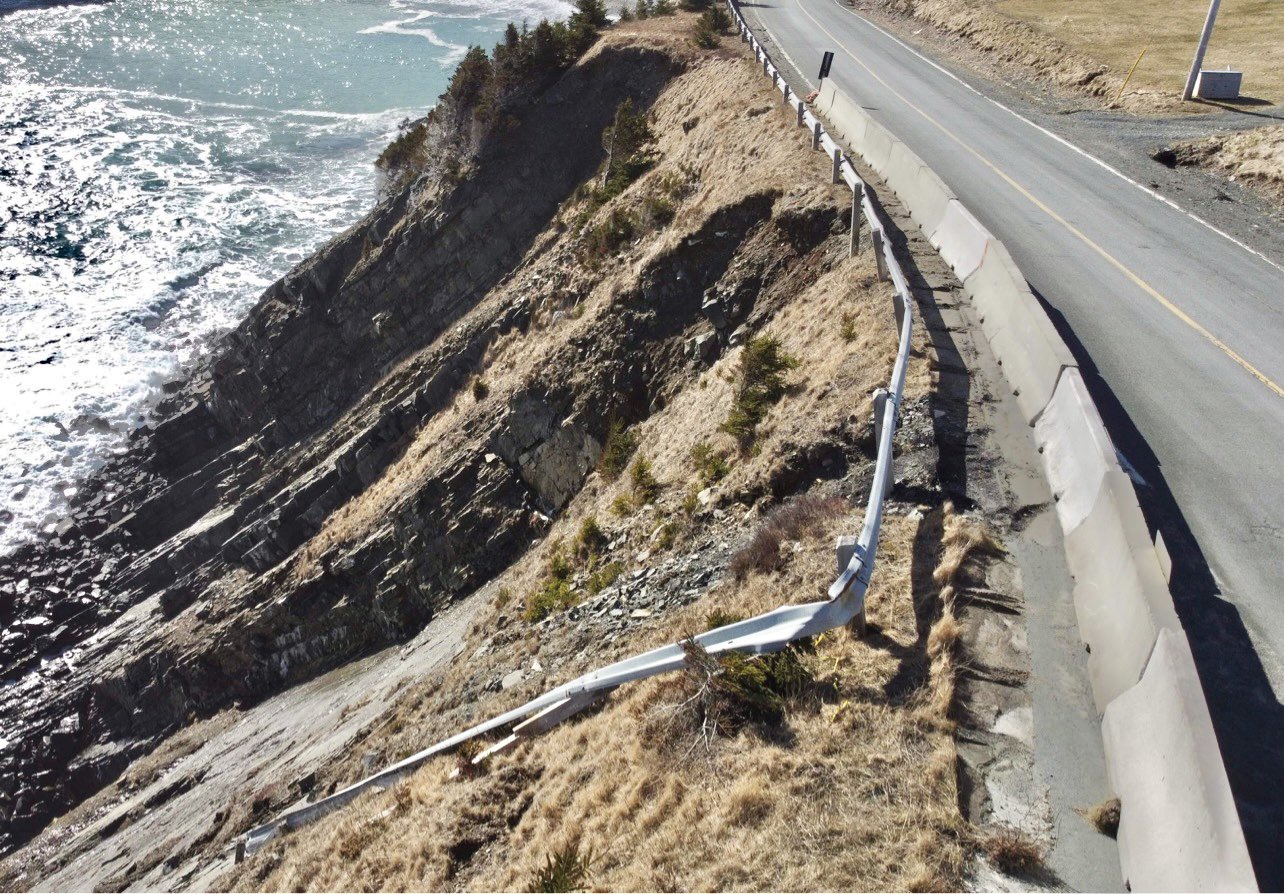
With the relative sea level rising on the Avalon peninsula, residents find themselves at the mercy of higher storm surges and increased wave action which cause coastal erosion. Heavier rains bring flooding, landslides, and impacts river water quality, posing a danger to public health.

In 2010, the town participated in the piloting of a climate change vulnerability assessment and adaptation planning workbook. Through a series of community discussions, residents and local leaders identified key climate-related issues affecting the town and mapped out areas that were particularly vulnerable to flooding.

The town council concluded that they needed to be proactive concerning the things they can control within their municipal boundaries by implementing adaptation options to reduce flood risks into the future. These included:

  • Rezoning vulnerable areas in sensitive areas, like wetlands, and protecting waterways
  • Lining ditches with rock and material designed to reduce the velocity of water flows
  • Diverting flows from waterways that are more susceptible to damage from flood events (e.g., damming, storing overflow)
  • Establishing more routine checks on existing culverts and bridges to keep the areas clear of debris and tree falls
  • Strategies for communication in the event of a flood

Water Control: How to beat the flooding odds

When it comes to sewer backup and basement flooding due to extreme weather, homes are taking a beating. The good news is that this damage is largely preventable. That’s why local governments and private property owners must act now to turn the tide.

A comprehensive strategy which includes communication, local actions, and incentives for private property owners is key to reducing the risk of damage from sewer backup and basement flooding caused by extreme weather events.


Courtesy of FloodSmart Canada

Coastal towns in Newfoundland and Labrador can look to other communities across Canada for inspiration and best practices. Many have taken it upon themselves to solve this problem. They set a great example for the rest by taking important actions that reduce the risk of basement flooding like the installation of backwater valves, sump pumps, storm lateral replacement or lot grading.

Learn more here: https://bit.ly/3IKd1Lk

Interested in getting ready for floods? Dive into these helpful tools:

Newfoundland’s coastal communities were built to survive. These actions demonstrate the ingenuity and determination of the residents of LBMCOC in the face of a rapidly changing climate. With communities around the world facing similar challenges as sea levels continue to rise and storm events become more intense, it is time for government leaders and policy makers at all levels to take notice and take action. By addressing, and adapting to, the impacts of climate change today, our coastal towns and cities may continue to thrive in the face of adversity.


Acknowledgements and Resources

Written by Dave Lank with contributions from Sepehr Khosravi

National Oceanic and Atmospheric Administration (2023, January 20). How do hurricanes form? NOAA. https://oceanservice.noaa.gov/facts/how-hurricanes-form.html

Government of Newfoundland and Labrador (2012). Logy Bay – Middle Cove – Outer Cove Case Study. Climate Change Vulnerability Assessment by Policy and Planning Division of Department of Environment and Conservation.

Ward, N. Roberts, D (2022, September 24). ‘Total devastation’ as Port aux Basques declares state of emergency due to post-tropical storm Fiona. CBC. https://www.cbc.ca/news/canada/newfoundland-labrador/hurricane-fiona-nl-saturday-1.6594422

Insurance Bureau of Canada (2022, October 19). Hurricane Fiona causes $660 million in insured damage. IBC. https://www.ibc.ca/news-insights/news/hurricane-fiona-causes-660-million-in-insured-damage

Climate Action in Newfoundland and Labrador Communities

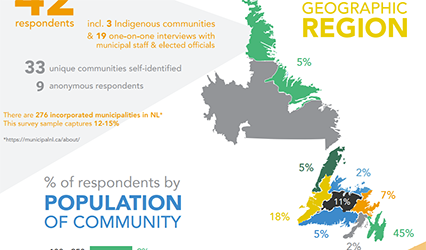
econext engaged with 42 community stakeholders across the province to understand their climate action priorities. The purpose of the research was to help econext understand the current level of climate action taking place in communities throughout Newfoundland and Labrador, as well as the future initiatives and projects that were being prioritized.

Download PDF