Discussion Paper: Opportunities for Digital, Remote, and Autonomous Operations in Clean Energy

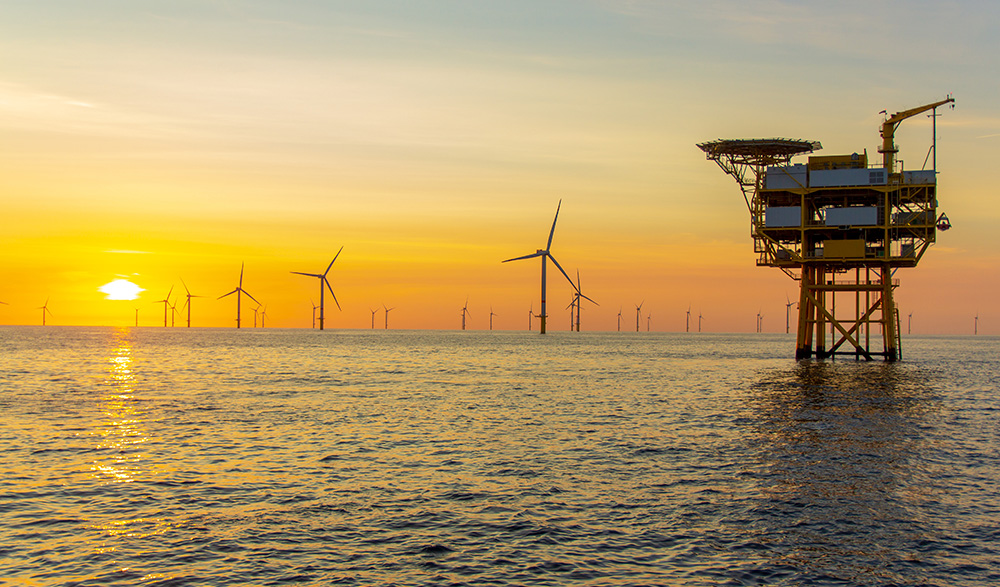
The objective of this discussion paper is to advance a conversation locally on the potential for innovation in subject areas that are strengths for Newfoundland and Labrador – digital, remote, and autonomous operations – within the context of the province’s emerging clean energy industry.

Download the Report

CEO Message – Electricity grid is key to Newfoundland and Labrador’s economic development and diversification

In our travels to different parts of the world, leading trade missions and helping to facilitate international partnerships for our members, those that we meet are very interested to hear that Newfoundland and Labrador’s electricity grid is derived from 90+% renewable sources.

This is not just a fortuitous circumstance for our province from an environmental perspective, it is a powerful investment attraction asset that is leading to all sorts of economic development opportunities and inquiries from businesses and industries interested in the low-carbon production of goods and services.

The thing is, though, that there is not a whole lot of extra electricity that we can provide. The demand for electricity in NL has been steadily increasing – driven in no small part by efforts to electrify heating, transportation, and other aspects of our economy to reduce GHGs (and in many cases – save money). The myth that we will have oodles of extra energy thanks to Muskrat Falls has been busted. These trends aren’t going anywhere, and are expected to continue to drive increased electricity demand for many years to come.

Newfoundland and Labrador Hydro’s 2024 Reliability and Resource Adequacy Study Review concludes that – at minimum – the province needs at least 385MW of additional capacity and 1.4TWh of new energy by 2034 to address load growth and reliability needs. While 2034 sounds like a long ways away, it’s less than ten years from today. This is a blink of an eye when it comes to electricity planning.

For our part, econext‘s assessment is that the demand forecast used in this analysis is conservative; based on the level of interest that we see in NL’s clean electricity, we believe that there is the potential for much greater demand to materialize. The wrench in those economic development opportunities is that electricity utilities will typically not build generation infrastructure that is over and above what has been determined to be absolutely necessary. There’s good reasons for this – namely ensuring that ratepayers aren’t on the hook for investment into assets that are not immediately necessary. That’s risky! Therefore, electricity utilities won’t build in anticipation of growth that could happen, they will build for growth that they are certain will happen.

From an economic development and diversification perspective, therein lies the chicken-and-the-egg scenario. A utility won’t build capacity for an industrial customer until it can guarantee offtake. But an industrial customer will struggle to obtain financing or make final investment decisions for its proposed activities until it can guarantee access to the clean electricity it needs. As it stands, one party would need to make an unreasonable leap of faith to crack the egg.

So… if clean electricity is a powerful investment attraction asset, how does NL deal with the increased interest in its electricity when it doesn’t have a lot to currently give?

I don’t have a clear answer to that question, but believe that how we make decisions about electricity infrastructure in this province is going to be a key part of it.

In my recent experience as Chair of NL’s Net Zero Advisory Council, I had the opportunity to learn quite a bit about how electricity projects come to be. The reality is that it takes a long time for them to be conceived, analyzed, proposed, scrutinized, built, and operational. I can say that if we need at least 385MW of additional capacity by 2034, we are going to have to be swift in our decision making in order to make that happen.

And that’s just to meet our minimum needs in a business-as-usual scenario. The reality is that in the years ahead our regulators are going to be entertaining all sorts of different projects that are going to be ‘new’ to them from a decision-making perspective. I anticipate that regulators will be considering more interconnectivity with other major clean energy projects (i.e., large wind-to-hydrogen projects); various energy storage technologies (i.e., via compressed air in salt domes); and proposed projects that test the value of environmental sustainability versus mandates and directives to choose the ‘lowest cost’ options.

These are all very complex discussions, but we won’t have the luxury of a whole lot of time to consider them. On the one hand, the global push towards net zero GHGs is accelerating clean energy demands and also economic development opportunities for NL to an unprecedented level. On the other hand, the threat of disruption due to the actions of the United States are creating an urgent need to diversify our economy.

Our clean electricity is a solution to both of these pressures. To meet the moment, we need to be open to new ideas. Regulators need to adequately resourced to deal with what is going to be coming. And it will be important for our decision-making to be nimble and flexible. Analysis, engagement, and decision-making need not be lengthy to be robust.

NL’s electricity clean grid is key to Newfoundland and Labrador’s economic development and diversification. Whether or not we can capitalize on this will depend on our ability to see the forest from the trees and make sure our processes are fit for purpose in a world that is changing at great speed.

// Kieran Hanley

CEO Message – January 29, 2025

In the face of extreme tariffs, we need to consider alternatives to the US products and services that we are purchasing.

There are many developments and opportunities to be excited about in 2025, but with the seeming probability of the Americans applying a 25% tariff to its Canadian imports in the days ahead – it is not lost on us that many of econext‘s members are going to be directly and potentially severely impacted. Indeed, many of Newfoundland and Labrador’s industries will be challenged – along with the entirety of Canada’s economy.

Businesses in Newfoundland and Labrador are going to need our help. And while we are confident that our Provincial and Federal governments will do everything in their power to help businesses and their workers through this turbulence, there are decisions that we all make on a daily basis that can be helpful too.

We should be doing our best to buy as local as we possibly can.

Are there products and services that you are sourcing from the United States that can be displaced by Newfoundland and Labrador alternatives? If you cannot source what you need within the province, can you get them from somewhere else in Canada? And if not Canada, what about from nations more friendly to Canada?

These are questions that every business can ask itself and act upon. The bottom line is that Canadians need to strongly reconsider spending money on products and services from a country that seems intent on causing harm to our own. The irony is not lost on me that this message will be spread on social media platforms owned by those who are indifferent or highly supportive of the punitive trade action being pursued. This is a problem.

And so it is incumbent on all of us think through what we have the means to do in our own work. This week econext will be reviewing the products and services that it procures to see where it can shift. If many Canadian organizations, corporations, and individuals do the same – we can mitigate some of the damage that is to come and also strengthen our domestic economy long-term.

A call to action: take some time this week to think about where you are buying from. The added benefit of buying more local? You will reduce the environmental footprint of your business.

// Kieran Hanley
CEO

CEO Message – November 27, 2024

Help chart the course for NL’s future offshore wind industry

If you are interested in the future of offshore wind in Newfoundland and Labrador – whether that be from a technical, policy, socio-economic, developer, or environmental perspective – time is running out to provide your feedback on work completed on a regional assessment.

The Committee for the Regional Assessment of Offshore Wind Development in Newfoundland and Labrador has released its draft final report which can be downloaded here.

The main purpose of the regional assessment is to contribute to the efficiency and effectiveness of future impact assessments for specific projects. The report covers a wide range of topics from environmental impacts (i.e., acoustics, marine habitats, ocean life), to potential for conflict with other ocean users (i.e., fisheries, transportation, parks), to icebergs and sightlines. The report also makes recommendations on what areas are most appropriate for future licensing.

While the recommendations stemming from the report are not binding, they will certainly be taken seriously by federal/provincial regulators of a future offshore wind industry in the province. With this in mind, it is important for all interested parties to take a look at it through the lens of their expertise and make comment.

For its part, econext will be making a submission based on comments that we have received from our members through the life of the regional assessment. As you review, if you come across something that you strongly believe needs to be considered or adjusted, please let us know so that we can incorporate this into our own feedback.

As a heads up, you’ll need to set aside some time. The report is a hefty document sitting at 828 pages. Responses are due before midnight on November 29. For more information on how to provide feedback on the report, visit the regional assessment website.

// Kieran Hanley
CEO

Developing a New Climate Change Action Plan: Recommendations for the Government of Newfoundland and Labrador

econext has released a series of recommendations for the Government of Newfoundland and Labrador to consider in the development of its new Climate Change Action Plan.

Embracing proactivity in the pursuit of net zero can ensure that decarbonization is not something that ‘happens to’ NL, but rather it is something NL is helping to design, lead, and benefit from.

There are many different activities that NL could take to fight climate change. econext has attempted to focus on a small number of direct actions that can be taken that will have the greatest positive impact. econext considered environmental and economic impacts, aspiring to arrive at recommendations that were likely to achieve significant results for both.

In developing these recommendations, econext engaged its membership, leveraged the different areas of expertise of its 13 full-time staff, and was guided by its Board of Directors.

econext arrived at 19 recommendations spread across 7 distinct themes:

  • Ensure long-term access to clean electricity;
  • Maximize domestic clean fuels opportunities;
  • Assist heavy industry in its decarbonization;
  • Support businesses to contribute to net zero;
  • Include buildings as part of the solution;
  • Establish strategic regional partnerships; and
  • Define the negative emissions opportunity.

Download Recommendations

Feasibility of Blue Hydrogen Production in Canada’s Offshore Oil and Gas Industry

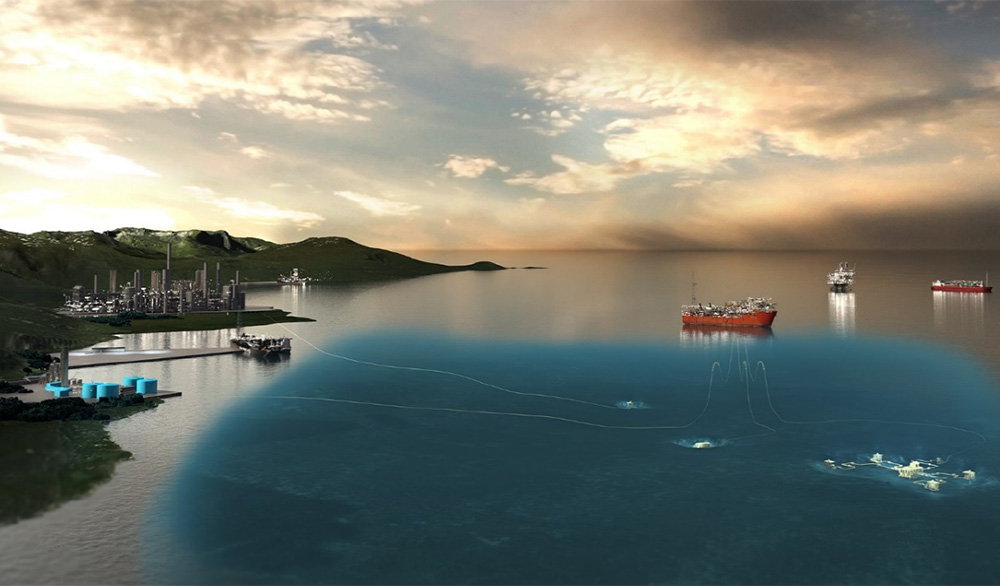
The objective of this research was to better understand the potential for hydrogen production associated with Canada’s offshore oil and gas industry and the role that such production can play in supporting the net zero objectives of Newfoundland and Labrador and Canada.

Download Research

Discussion Paper: Economic Development and Climate Change Adaptation in Newfoundland and Labrador

The economy of Newfoundland and Labrador (NL) and the lifestyle of its residents have always been deeply connected to the land and ocean, and the natural resources that abound from them. From agriculture and fisheries, mining and energy generation, to tourism, the arts, and the activities of everyday life, we have built systems and narratives that rely on a stable climate and healthy ecosystems to function optimally.

The reality is that we have entered a period of climate instability and what has worked for us in the past is now experiencing vulnerability and strain. Climate change is actively shifting our baseline and we must reframe our decision-making accordingly. We must consider more factors, ask ourselves new questions, and look further ahead than we may have before. Incomplete analysis and short-sightedness at this point in history may not only lead to poor investment outcomes, but even risk to life.

As decision makers invest into economic development initiatives in the province, it is therefore important to consider how the changing climate will impact proposed plans. This discussion paper aims to illustrate the connections between climate change and economic development in NL so that we can move forward in a way that minimizes risk and maximizes benefits for all.

Download the Discussion Paper

CEO Message – January 5, 2024

On behalf of econext, I would like to wish our members and partners a Happy New Year.

Our team is already off to the races on what is sure to be a big year for the green economy in Newfoundland and Labrador. I’d like to highlight a few of the things that we will be up to in Q1 of this year.

On the policy front we will busy putting our best foot forward in providing ideas for the provincial government’s development of new climate change action plans, and responding to the federal government’s planned emissions cap for the oil and gas industry (which, among other things, we believe has the potential to create new carbon offsets opportunities for our province). We are also in the beginning stages of exploring innovative approaches to regulatory frameworks to help enable efficient processes that are also highly effective in protecting the environment.

We have two ideathons in the works for the Winter across the province, and will be helping SMEs to understand why they should be thinking about ESG and how they can get started developing strategies through a new course that we have developed. We have two exciting webinars within the next two weeks – one on the 11th about Newfoundland and Labrador’s clean technology tax credit, and another on the 16th highlighting clean technologies coming from Iceland.

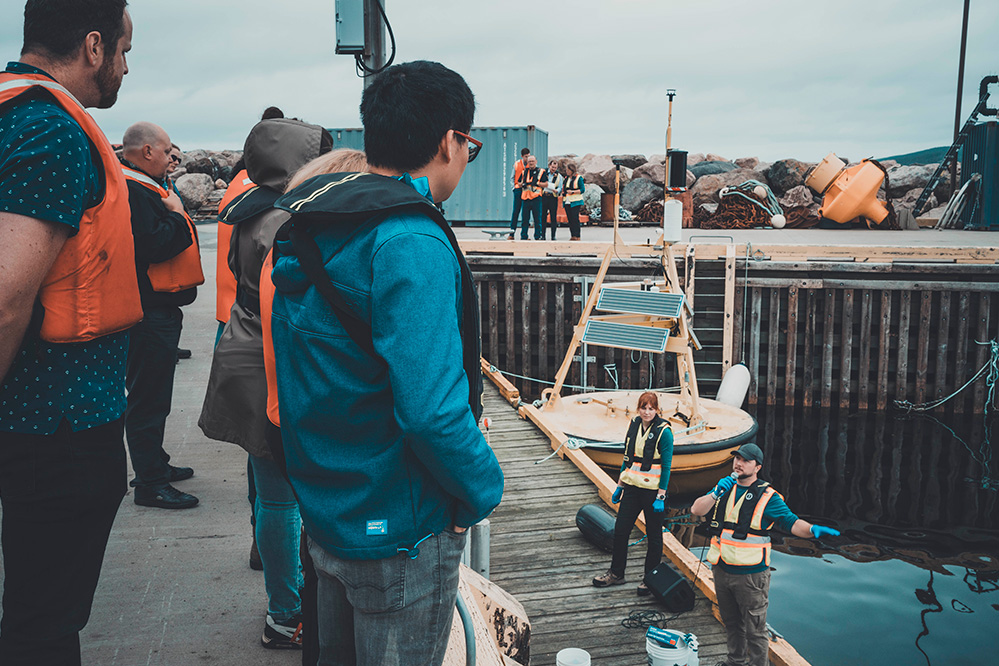
We are on the heels of facilitating a series of technology demonstrations of our members’ capabilities at The Launch, and will as a result have some exciting footage to share with the world about the cleantech expertise that Newfoundland and Labrador has as it relates to the ocean. Related to all of that, we are helping students explore careers in the green and blue economies and facilitating internships and co-op placements… contact us if you’re interested in hosting!

Meanwhile we are doing some exciting work related to skills and training for the clean energy industry, and finishing our work developing net zero pathways for our offshore oil and gas industry.

This is just the tip of iceberg of what we expect will be a banner year for econext; we have an incredible team in place which I know is going to have a very tangible impact on accelerating clean growth in Newfoundland and Labrador in 2024.

View this post on Instagram

A post shared by econext (@econextnl)

These folks are going to be busy and through 2023 we planted many seeds that we expect to sprout in the months ahead. Stay tuned.

Indeed, Newfoundland and Labrador’s clean growth future really began to take shape in 2023. Even since my last note in July, there has been a long list of developments that will help shape activity in the province 2024 and long after. From the release of critical minerals plans provincially and programming nationally, to the advancement of wind-to-hydrogen projects through the province’s crown lands process and the introduction federally of draft legislation for clean hydrogen tax credits, to the launch of a new provincial CCUS Innovation Challenge, to new bilateral energy agreements with other provinces and the federal government… Newfoundland and Labrador is not just well positioned to be a green leader – the train has left the station.

And this is just a sample of some of the developments this past Fall. The speed at which these things is happening can be difficult to keep track of – not to mention to understand how they may create opportunities for your business! econext is here to help. Are you a member and would like to meet with our team to help you explore or identify opportunities? Please get in touch. Whether you want to explore international markets, identify better uses for your waste streams, understand how you should be adapting to climate change, or see how you can become more productive and innovative – we’ve got someone on the team here who can help.

Lastly, but no less important, this year econext is committed to doing a better job of highlighting the successes of our members – either from a business or environmental perspective. So when you’ve accomplished something that you want to share, please send along your good news to us and we will do our part.

Wishing you a successful 2024,

// Kieran Hanley
CEO

Riding the Storm: How coastal communities in Newfoundland and Labrador are bracing for more intense hurricanes in a changing climate

This post is part of a series of articles to help create awareness of green economy challenges and opportunities in Newfoundland and Labrador

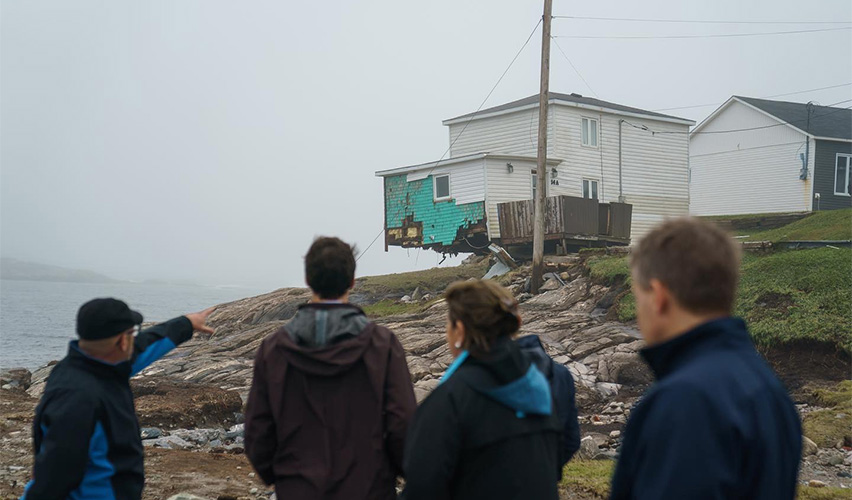
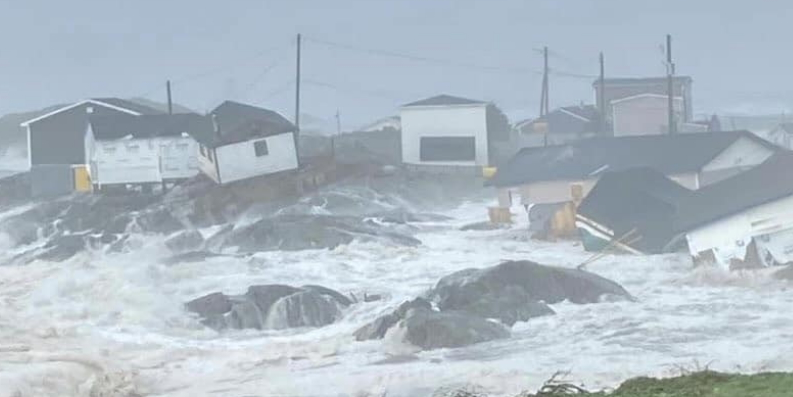
In late September 2022, residents of Channel-Port aux Basques experienced a storm like no other.

Fiona reached the town located at the extreme southwestern tip of Newfoundland as a post-tropical storm equivalent to a Category 2 Atlantic Hurricane. It lashed out against the coastal town with winds whipped up to 135 kilometers per hour and a storm surge that broke the record for the highest water level ever recorded in the area.

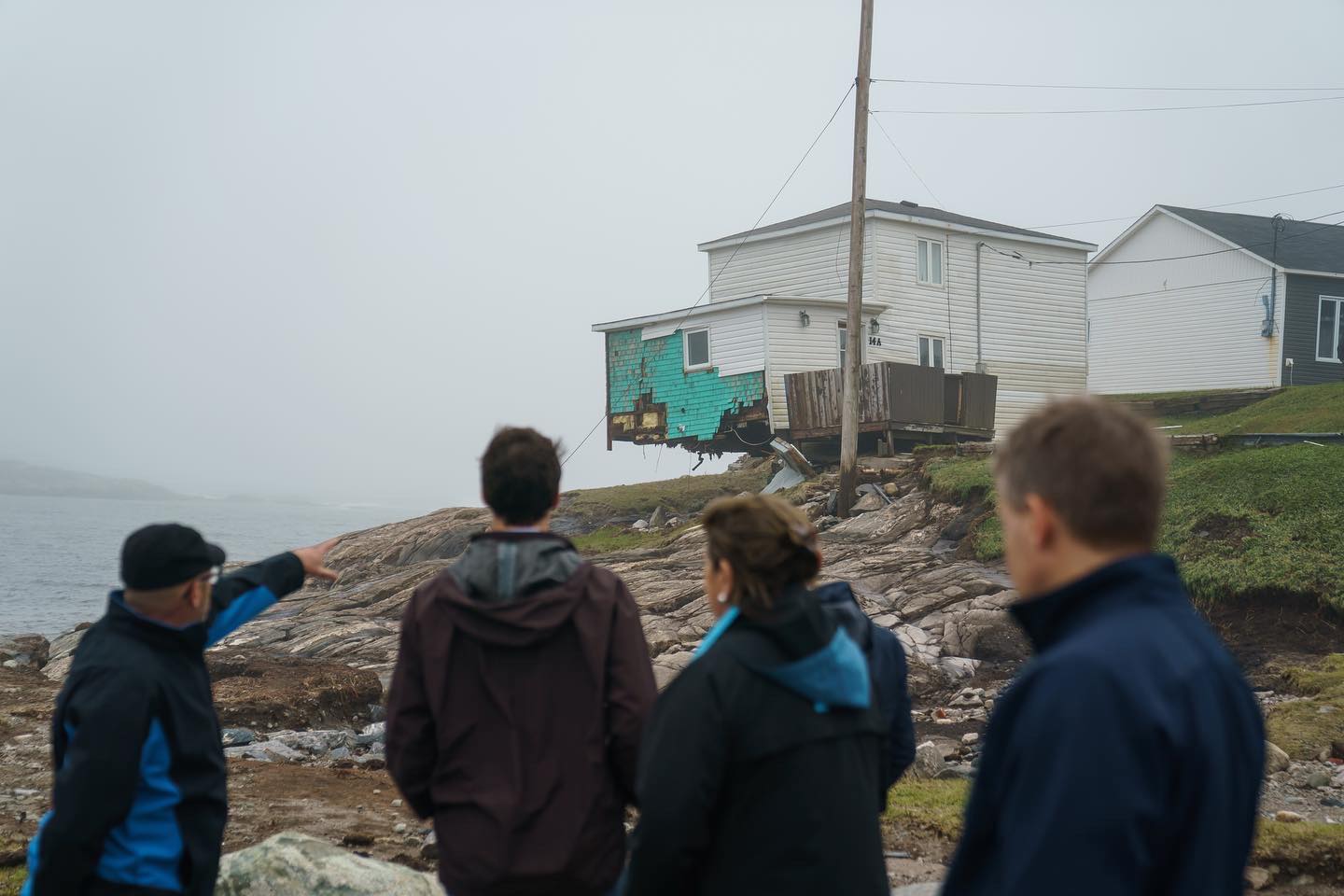
Family homes which had stood for generations were ripped from their foundations. The sheer force of the event left an indelible mark on the landscape and amidst the chaos, a sense of resilience emerged as communities came together to support each other through the turbulent times.

Fiona’s toll included widespread physical destruction to homes and businesses, and a community reeling with unimaginable loss. For those living in so many of the coastal communities in this province, the storm also leaves behind an uncertain future. With the world getting warmer due to climate change, they can likely expect more intense hurricanes to reach their shores. In other words, the storms that do hit are going to hit harder than ever before.

To protect against the impacts of powerful storms – whether through improved forecasting tools, stronger infrastructure, or government policy – coastal communities need to adapt to climate change impacts to safeguard themselves from the increasingly destructive forces of nature.

When it comes to predicting and preparing for hurricanes, understanding their ingredients is key.

Just like a cookie needs the right balance of sugar, flour, and butter to turn out perfectly, a hurricane needs certain conditions to form and strengthen.

  1. First and foremost, warm ocean water is essential, with a surface temperature of at least 26 degrees Celsius required. As the saying goes, “heat rises,” and it’s no different with hurricanes. The warmer the water, the more energy is available to fuel the storm.
  2. Next, there needs to be plenty of moisture in the air. This helps feed the storm and keeps it growing.
  3. Low wind shear is also crucial. This refers to the difference in wind speed and direction at different altitudes. If there is too much wind shear, it can disrupt the storm’s circulation and weaken it.
  4. Finally, there needs to be certain atmospheric conditions or a disturbance in place, such as a thunderstorm, for a hurricane to form. Without this initial spark, the storm won’t have anything to build upon. Imagine blending all these elements together, like the ingredients of a recipe, and what do you get? A hurricane, right? Well, not always. Even when all these factors align perfectly, the magic doesn’t guarantee that a hurricane will emerge every time. It’s like nature’s own unpredictable masterpiece!


Video Courtesy NOAA SciJinks

Hurricane return periods tell us how often we can expect a hurricane of a certain strength to hit a particular area. For instance, a return period of 20 years for a major hurricane means that, historically, a Category 3 or higher hurricane has made landfall within 50 nautical miles of that location an average of five times in the past 100 years. Therefore, we could anticipate around five more of these severe storms to hit that area over the next century. In our new climate reality, we’re staring down the barrel of a future where these extreme weather events are becoming more frequent (unless we take drastic action to combat climate change) rather than generational events.

Trying to figure out how climate change will affect hurricanes might seem really hard. But with advanced global climate models, a deep understanding of how hurricanes work, and looking at past hurricane patterns, scientists are getting better at predicting these strong storms. Still, it’s important to remember that there’s some uncertainty, even though we’re making progress in how we study them. So, there’s hope, but we’re not completely certain yet.

Did you know:

Hurricane Fiona was the costliest extreme weather event ever recorded in Atlantic Canada, with an estimated $660 million in insured damages.
Catastrophe Indices and Quantification Inc. (CatIQ)

It takes a community

The community of Logy Bay-Middle Cove-Outer Cove (LBMCOC) is nestled on the northeastern coast of the Avalon Peninsula. Residents there are all too familiar with the mounting threats posed by a rise in the frequency and severity of fall and winter storms.

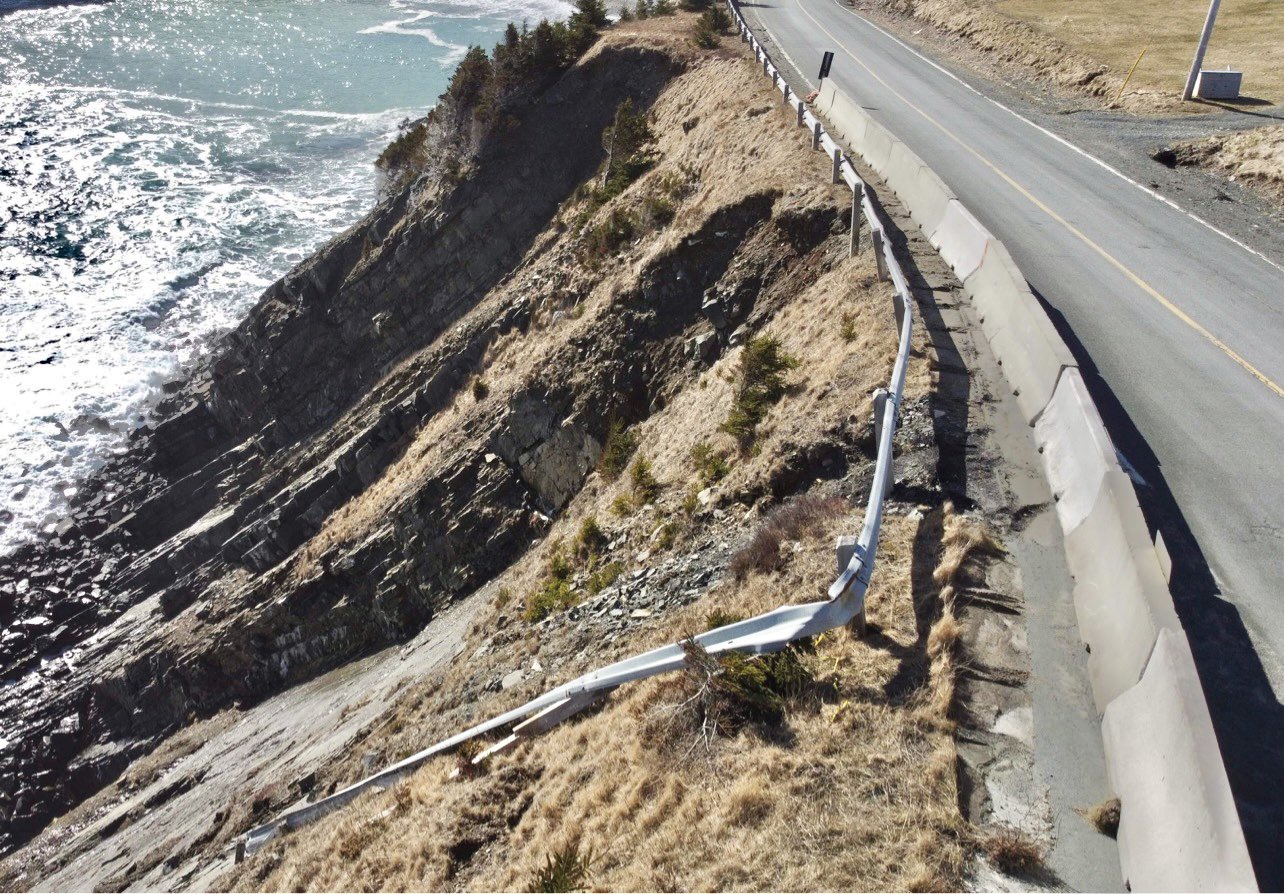
With the relative sea level rising on the Avalon peninsula, residents find themselves at the mercy of higher storm surges and increased wave action which cause coastal erosion. Heavier rains bring flooding, landslides, and impacts river water quality, posing a danger to public health.

In 2010, the town participated in the piloting of a climate change vulnerability assessment and adaptation planning workbook. Through a series of community discussions, residents and local leaders identified key climate-related issues affecting the town and mapped out areas that were particularly vulnerable to flooding.

The town council concluded that they needed to be proactive concerning the things they can control within their municipal boundaries by implementing adaptation options to reduce flood risks into the future. These included:

  • Rezoning vulnerable areas in sensitive areas, like wetlands, and protecting waterways
  • Lining ditches with rock and material designed to reduce the velocity of water flows
  • Diverting flows from waterways that are more susceptible to damage from flood events (e.g., damming, storing overflow)
  • Establishing more routine checks on existing culverts and bridges to keep the areas clear of debris and tree falls
  • Strategies for communication in the event of a flood

Water Control: How to beat the flooding odds

When it comes to sewer backup and basement flooding due to extreme weather, homes are taking a beating. The good news is that this damage is largely preventable. That’s why local governments and private property owners must act now to turn the tide.

A comprehensive strategy which includes communication, local actions, and incentives for private property owners is key to reducing the risk of damage from sewer backup and basement flooding caused by extreme weather events.


Courtesy of FloodSmart Canada

Coastal towns in Newfoundland and Labrador can look to other communities across Canada for inspiration and best practices. Many have taken it upon themselves to solve this problem. They set a great example for the rest by taking important actions that reduce the risk of basement flooding like the installation of backwater valves, sump pumps, storm lateral replacement or lot grading.

Learn more here: https://bit.ly/3IKd1Lk

Interested in getting ready for floods? Dive into these helpful tools:

Newfoundland’s coastal communities were built to survive. These actions demonstrate the ingenuity and determination of the residents of LBMCOC in the face of a rapidly changing climate. With communities around the world facing similar challenges as sea levels continue to rise and storm events become more intense, it is time for government leaders and policy makers at all levels to take notice and take action. By addressing, and adapting to, the impacts of climate change today, our coastal towns and cities may continue to thrive in the face of adversity.


Acknowledgements and Resources

Written by Dave Lank with contributions from Sepehr Khosravi

National Oceanic and Atmospheric Administration (2023, January 20). How do hurricanes form? NOAA. https://oceanservice.noaa.gov/facts/how-hurricanes-form.html

Government of Newfoundland and Labrador (2012). Logy Bay – Middle Cove – Outer Cove Case Study. Climate Change Vulnerability Assessment by Policy and Planning Division of Department of Environment and Conservation.

Ward, N. Roberts, D (2022, September 24). ‘Total devastation’ as Port aux Basques declares state of emergency due to post-tropical storm Fiona. CBC. https://www.cbc.ca/news/canada/newfoundland-labrador/hurricane-fiona-nl-saturday-1.6594422

Insurance Bureau of Canada (2022, October 19). Hurricane Fiona causes $660 million in insured damage. IBC. https://www.ibc.ca/news-insights/news/hurricane-fiona-causes-660-million-in-insured-damage


CEO Message – July 11, 2023

As we enter into the thick of Summer, it is worthwhile reflecting on the enormous activity that we have seen in Newfoundland and Labrador’s clean energy industry over the past month and a half.

There is a competitive process underway to access crown land for the purpose of wind energy development, and some of the interested players have recently made some big moves.

On June 1st, World Energy GH2 announced that it had successfully closed the acquisition of the Port of Stephenville. Managing Director and CEO Sean Leet said that “the Port of Stephenville is the cornerstone of our project and will position the Bay St. George area as a green energy hub.” This announcement was just days after the company announced a large investment from SK ecoplant into their Project Nujio’qonik which aims to produce green hydrogen in 2025.

On June 5th, the Port of Argentia, Pattern Energy, & Argentia Capital announced that they have reached an agreement on a planned renewable energy to green fuels project at the port. The port’s CEO Scott Penney said that “Pattern Energy is taking a Lease Option on some 6,000 acres of industrial and forest lands owned by the Port. Should it exercise its Option and proceed with the Project, it will construct a 300-megawatt wind energy facility designed to power the production of Green Ammonia for export to global markets.”

These are just two of the bids received by the Government of Newfoundland and Labrador from 19 companies on March 23. Exciting weeks and months are ahead for the clean energy industry as we learn which projects will have the opportunity to advance. And the world is watching. Proof of global interest on what is happening here in this province was evident again with a recent agreement signed between the Government of Newfoundland and Labrador and the Port of Rotterdam in the Netherlands to cooperate on green hydrogen opportunities.

Update: The first phase of the competition was announced as complete shortly after this piece was published, with the process now expected to be finished by August.

While much of the focus has been on land, not to be forgotten is the wealth of wind resources available for development in Newfoundland and Labrador’s offshore. Amendments were moved forward in Canada’s House of Commons to put important enabling conditions in place to allow for investment into offshore wind in the province.

And flying under the radar were important changes introduced to the province’s Electricity Power Control Act (EPCA) which will allow for utilities and the regulator to consider the environment as a factor in their decision-making. This will mean that decisions are not made solely based on cost and reliability – important because the most environmentally sound solutions are not always the cheapest ones. Our grid is inching close to being 100% clean, and we need to protect and capitalize on this great advantage.

Oh yes, and the Department of Industry, Energy, and Technology announced the launch of its $100 million Green Transition Fund. Learn about it in our webinar next week.

This list barely scratches the surface of the activity underway, and this is only within the past couple of months! econext has been busy working on workforce development, R&D and innovation, and economic development initiatives related to clean energy in the province, and we’ll have a lot more to say about that in the coming months.

… and clean energy is just one of our key priority areas. Luckily our team is growing to meet the demands and help NL seize its green economy opportunities, and if you follow us on LinkedIn you’ll get to know them all in the days ahead.

Suffice it to say that there’s lots to chat about, and we hope you’ll join us at our Summer Social next week to do just that!

Sincerely,

// Kieran Hanley
CEO